



We’ve visited the Phi Phi Islands on a previous trip to Phuket, but I can confidently say that our experience with Simba Sea Tours was on another level! Firstly, the boat was noticeably more modern, exceptionally clean and comfortable compared with our previous experience. The crew were incredibly professional, genuinely friendly and attentive throughout the entire day. There was also an abundance of food, snacks and refreshments available, so we were certainly never left hungry! One thing that really stood out was the tour guides’ willingness to actually get into the water with us, helping us explore and pointing out things we otherwise might have missed. It’s these little touches that make such a big difference. A couple of recommendations: I highly recommend organising a private transfer to the departure point. Also, don’t be put off by the early start! Getting out on the water before the crowds arrive is fantastic, and the sea is generally much smoother in the early morning, making for a far more enjoyable boat ride. You’ll probably notice that Simba Sea Tours is considerably more expensive than many of the other Phi Phi Island tours available in Phuket. However, having experienced both, I can confidently say you absolutely get what you pay for. The quality of the boat, professionalism of the crew, attention to detail and overall experience make the extra cost completely worthwhile. If you’re considering a Phi Phi Islands tour, I wouldn’t hesitate to recommend Simba Sea Tours. Five stars and worth every cent!


Khao Sok Village: Connecting with Thailand's Local Communities
Khao Sok Village represents something increasingly rare in Thailand: authentic interaction with local communities, free from resort tourism’s typical artificiality. Located within Khao Sok National Park, the village is home to Karen people—an indigenous group with distinct culture, traditions, and ways of living.
Visiting Khao Sok Village isn’t passive tourism. You’re engaging with real people in real places, learning how they live, what they value, and how they balance tradition with the modern world. Every rupiah you spend directly supports the community, enabling them to choose cultural preservation over mass tourism exploitation.
This is tourism that creates meaning for both visitor and host.
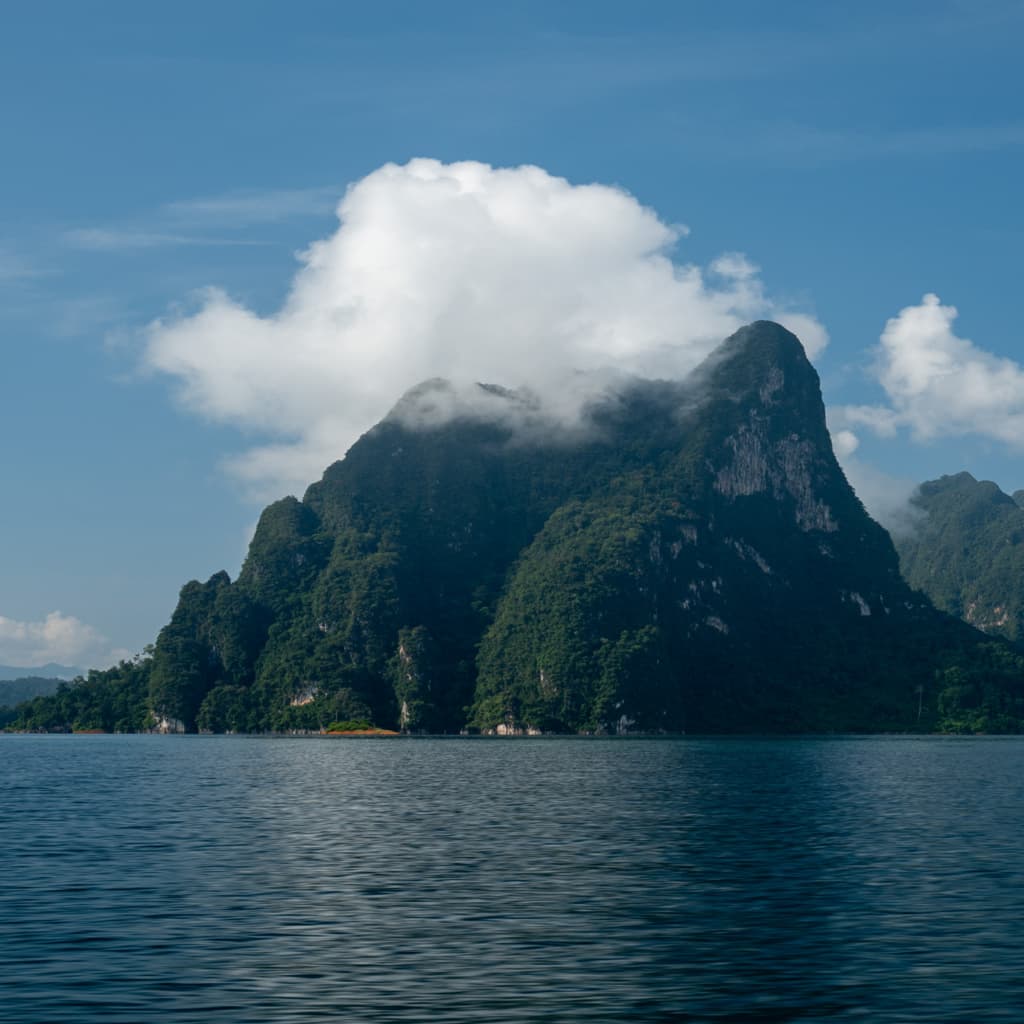
Why Visit Khao Sok Village?
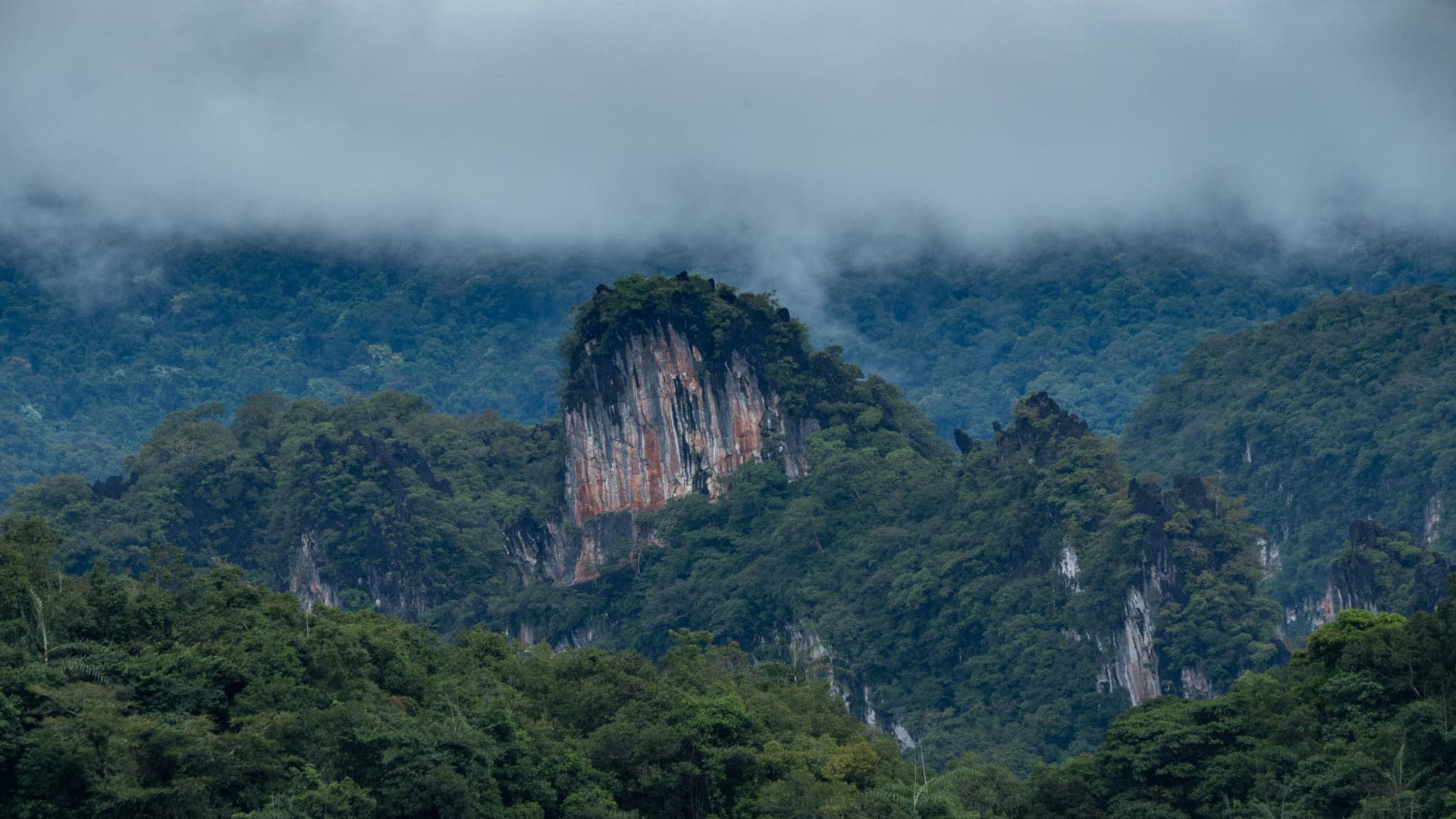
Village visits offer something island tourism cannot:
Authentic Cultural Experience
Karen people have their own language, customs, clothing, and worldview. Visiting the village, you observe daily life: women weaving, children playing, families preparing meals, elders teaching skills.
This isn’t a “cultural show” performed for tourists. This is genuine community life, and you’re welcomed as a guest.
Learning Traditional Skills
If interested, you can participate in traditional activities: weaving cloth, preparing traditional meals, making handicrafts, or learning about medicinal plants the jungle provides.
These aren’t contrived activities. These are real skills the community actually practices. Learning them creates understanding of different ways of living.
Economic Support for Local Communities
When you visit with Simba, your money directly supports the community. Guides are from the village. Meals use local ingredients. Handicrafts are produced by villagers. Unlike resort tourism where profits flow to distant corporations, village tourism keeps money local.
Environmental Stewardship Learning
Karen communities have lived sustainably in the jungle for generations. They understand forest ecology, sustainable resource use, and living in balance with nature. Visiting teaches you these perspectives.
Personal Connections
Unlike rushed tours, village visits create genuine interactions. You might learn someone’s story, share meals, exchange contact information, and create relationships that extend beyond the visit.
These human connections are often the most meaningful part of travel.
What You'll Experience at Khao Sok Village
A village visit typically unfolds like this:
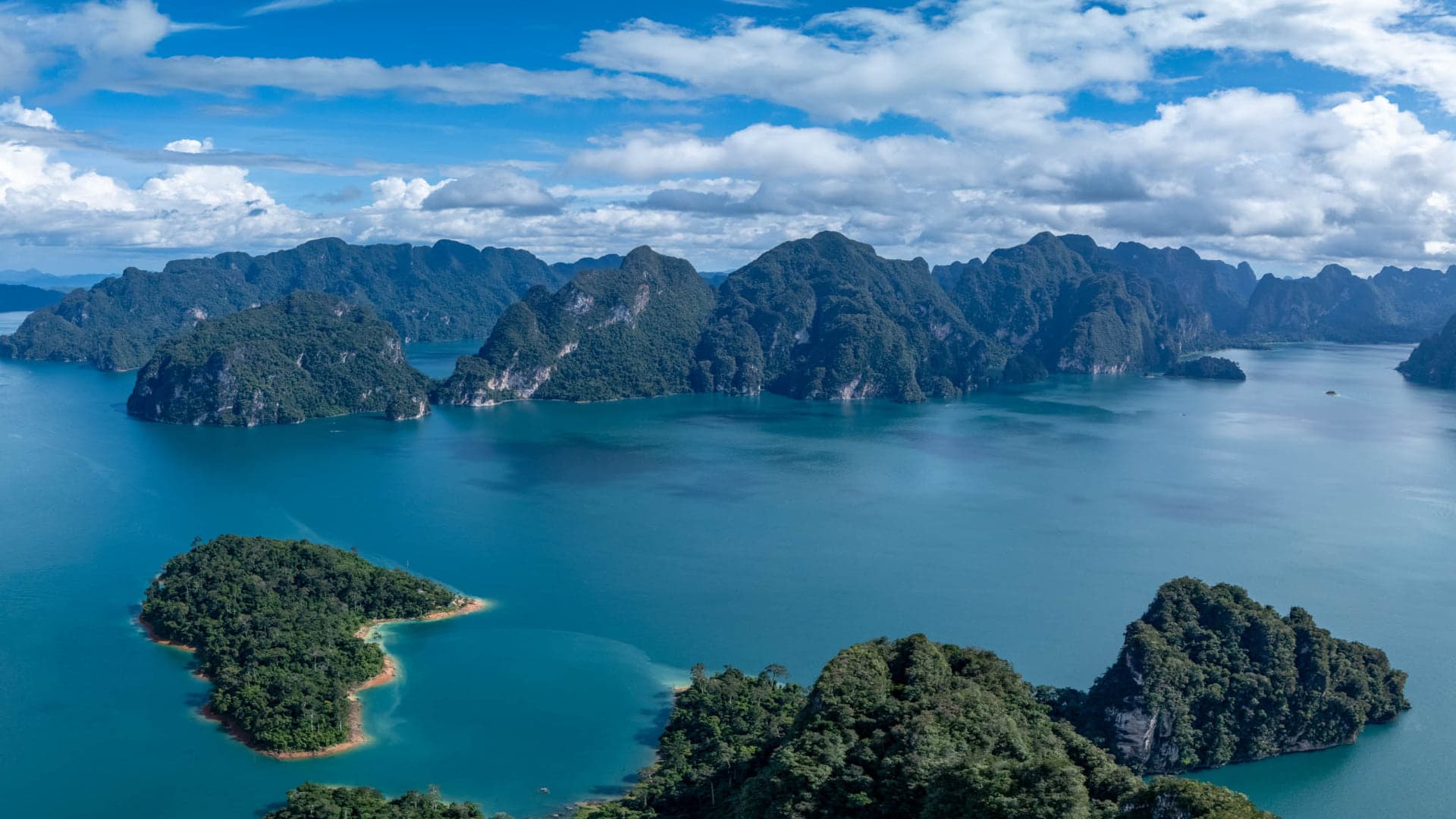
Arrival and Welcome
You’re greeted warmly by villagers—perhaps at the village entrance, perhaps at a community gathering space. There’s genuine hospitality without the forced enthusiasm of commercial tourism. Your guide (often from the village) explains community organization, current activities, and what you’ll experience together.
Village Exploration
You walk through the village, observing daily life. Children may invite you to play. Artisans may show you their work. You see homes, community gardens, workshops, and sacred spaces. This exploration is unrushed. You move at the community’s pace, not a tour schedule’s pace.
Skill-Sharing Sessions
Depending on interests and availability, you might:
- Learn weaving – Women show you traditional cloth-making techniques
- Prepare food – Participate in meal preparation using jungle ingredients
- Explore medicinal plants – Learn which plants treat which conditions
- Handicraft making – Create or decorate items while learning traditional designs
- Music and dance – Some villages share traditional music or dances
These aren’t performances. They’re genuine skill-sharing.
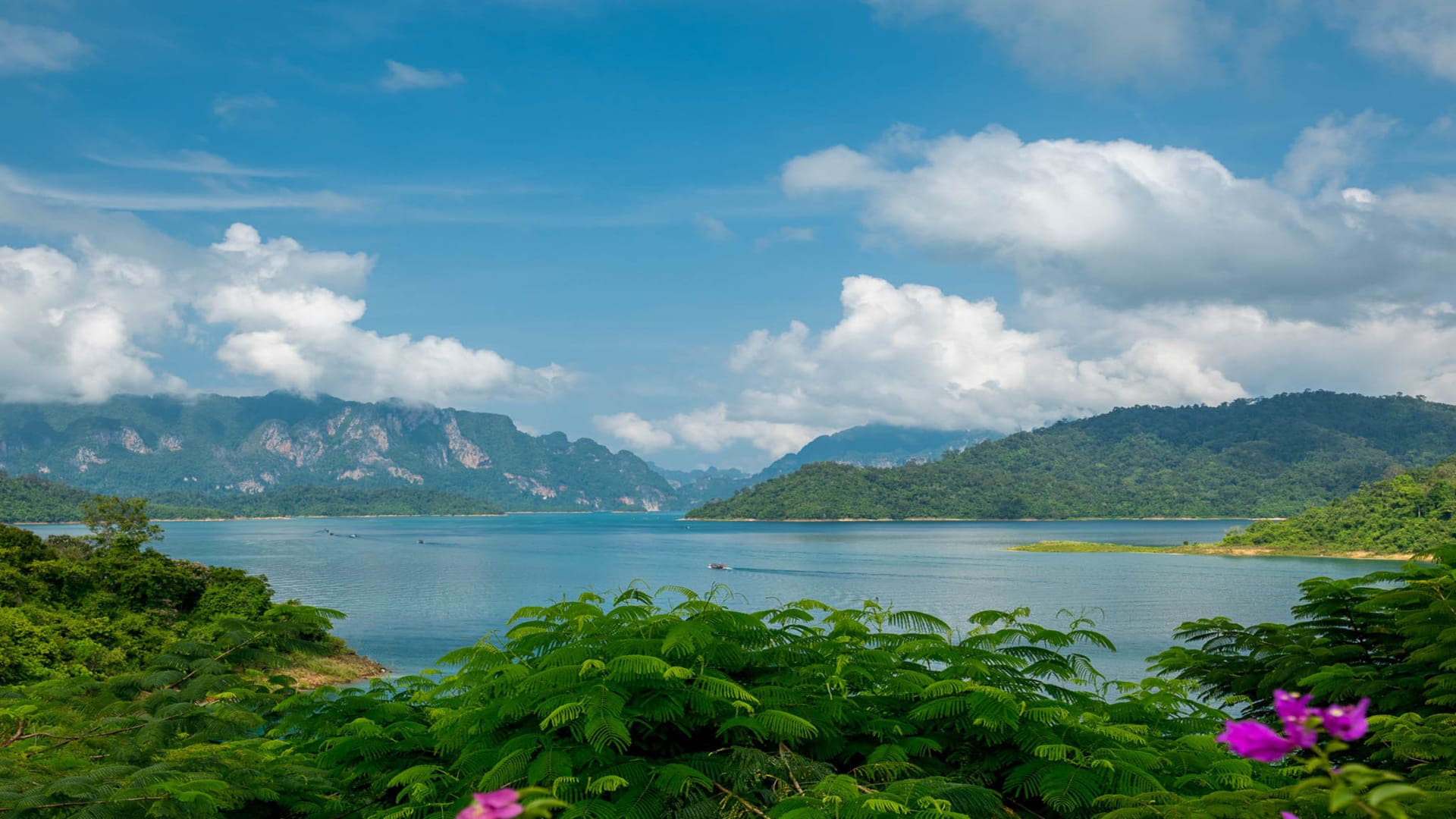
Meals and Communal Time
Fresh meals prepared with local ingredients are served. Eating together is central to Karen hospitality. Meals might be taken in community spaces, in homes, or outdoors.
This is time for conversation, relationship building, and genuine cultural exchange.
Question Time and Discussion
You’re encouraged to ask about village life, traditions, contemporary challenges, and the future. Your guide translates, facilitating conversations between cultures.
These honest conversations about how communities balance tradition and modernization are often profound.
Purchasing and Supporting
The village typically has handicrafts available for purchase—woven items, wooden crafts, clothing, art. Prices are fair and all money goes directly to makers. Purchasing supports community members directly.
Who Should Visit Khao Sok Village?
Village visits appeal to:
Culturally-Conscious Travelers: If you want genuine cultural understanding beyond resort bubble tourism, village visits deliver.
Anyone Wanting Ethical Tourism: You know your money supports the community directly, not distant corporations.
Photographers: Authentic cultural moments and community life create compelling photography.
Experience-Seeking Travelers: This kind of genuine human connection defines meaningful travel.
Families with Children: Children learn about different cultures, traditions, and ways of living. Kids often connect immediately with village children.
Anyone Interested in Sustainable Living: Karen communities offer lessons in sustainable resource use and environmental stewardship.
Learners: If you want to learn skills or understand traditions, this is where you actually acquire knowledge, not just observe.
Cultural Sensitivity and Respectful Visiting
Understanding Cultural Differences
Karen culture differs significantly from tourist-area Thai culture. Customs around respect, dress, greeting, and interaction differ. Your guide will brief you on appropriate behavior.
Photography Etiquette
Always ask before photographing people. Some villagers appreciate documentation; others prefer privacy. Respect their preferences.
Genuine Connection
This isn’t a zoo. You’re visiting real people in their homes. Approach with respect, genuine interest, and willingness to listen more than talk.
Avoiding Exploitation
We specifically choose tourism operators who benefit communities directly, avoid staged cultural performances, and maintain genuine community agency.
What’s Included in Your Khao Sok Village Tour
All Simba Sea Trips Khao Sok Village tours include:
- Professional guide (usually from the village community)
- Transportation from Phuket hotel
- Warm welcome from villagers
- Skill-sharing sessions (weaving, cooking, crafts, etc.)
- Fresh meals prepared with local ingredients
- Handicraft market access to purchase directly from makers
- Cultural briefing about traditions and contemporary life
- Photography-friendly environment (with respect for privacy)
What to bring:
- Respectful clothing (shoulders and knees covered is appropriate)
- Good walking shoes (village paths can be uneven)
- Small gift items from your home country (villagers appreciate cultural exchange)
- Cash for handicraft purchases (many villagers don’t use cards)
- Camera (bring extras—battery life drains quickly with lots of subjects)
- Reusable water bottle
- Sunscreen and hat
Best Time to Visit Khao Sok Village
Village visits work year-round, but seasonal factors affect experience:
Seasonal Overview
High Season (November to February)
Dry weather, comfortable village time, most villagers not occupied with harvesting or agricultural work. Good for longer village stays.
Shoulder Season (March to May)
Pleasant weather, fewer tourists, good community interaction time.
Rainy Season (June to October)
Rainy afternoons, but villages continue normal activities. This is agricultural season, so you might see farming/harvest work. Low prices and quiet atmosphere.
Monthly Considerations
November-December
Perfect conditions for village visits
January-February
Excellent weather, peak season
March-April
Pleasant, fewer tourists, good interaction time
May
Warm, manageable
June-September
Rainy, agricultural season, low prices
October-November
Improving weather, good value
We recommend November through April for consistent comfortable conditions.
What Our Guests Say
- TripAdvisor4,331
- Google1,212
- GetYourGuide444
- Viator560
Practical Information
Distance and Travel
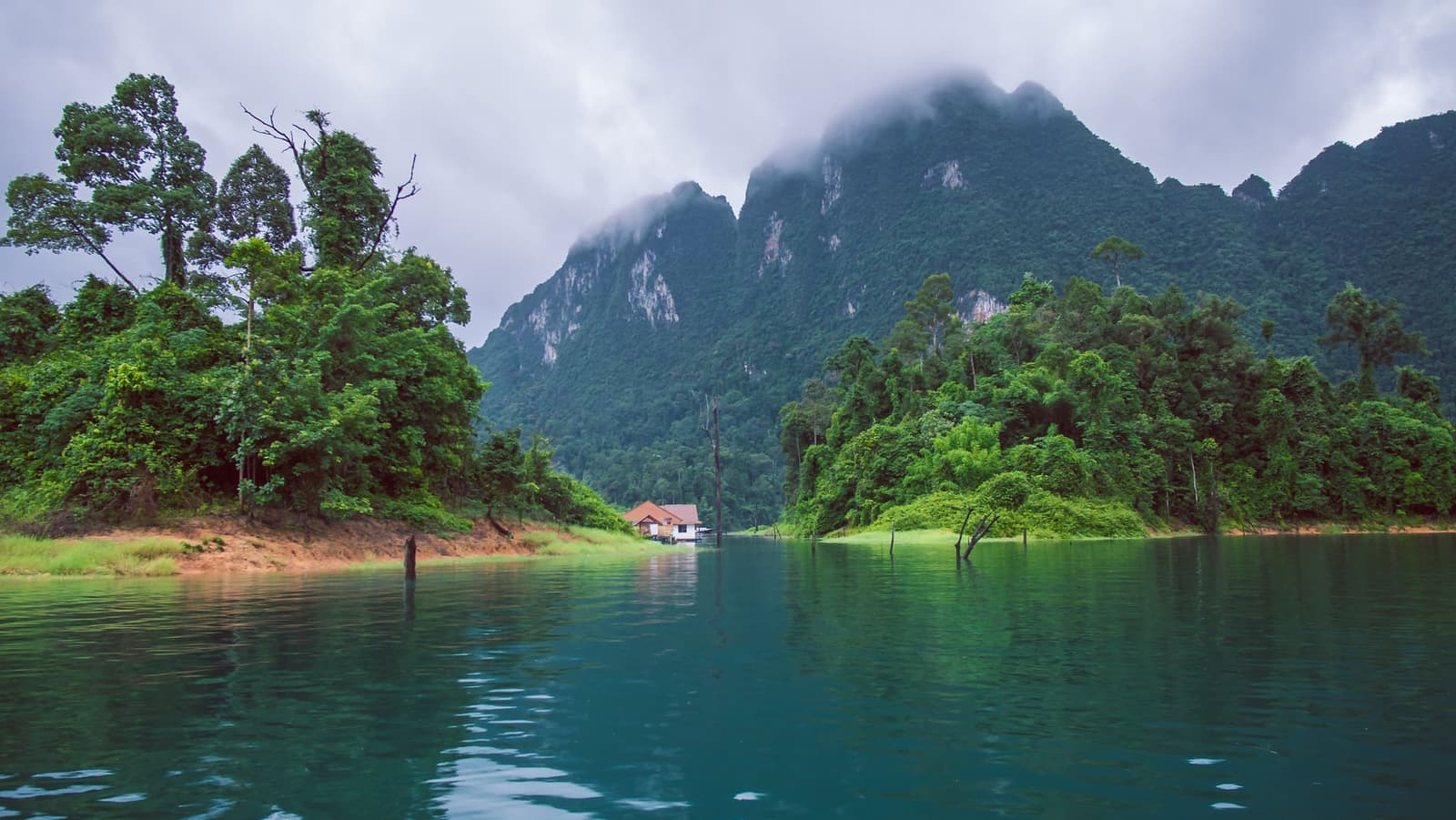
Khao Sok Village is within Khao Sok National Park, approximately 100km from Phuket. Total travel time is 2.5-3 hours including park entry.
Tour Duration
Full day village visits are typically 8-10 hours including transportation. Village time is usually 4-6 hours depending on activities.
Physical Requirements
No special fitness required. You’ll walk through the village (uneven paths possible) but no strenuous activity. Comfortable walking shoes are important.
Language
Your guide will translate. Communication happens through them, bridging language gaps. Learning a few Thai or Karen phrases is appreciated by villagers.
Pace and Flexibility
Village visits are paced by the community, not a tour schedule. Activities happen naturally. If people are busy, you might observe. If someone wants to teach you weaving, that becomes your activity.
This unstructured, flexible pace is essential for genuine interaction.
Photography Opportunities
Best light: Early morning light (7:00-9:00 AM) for warm, natural light on people and activities.
Subject matter:
- Daily community activities (children playing, women weaving, meals being prepared)
- Portraits of community members (with permission)
- Traditional handicrafts and artwork
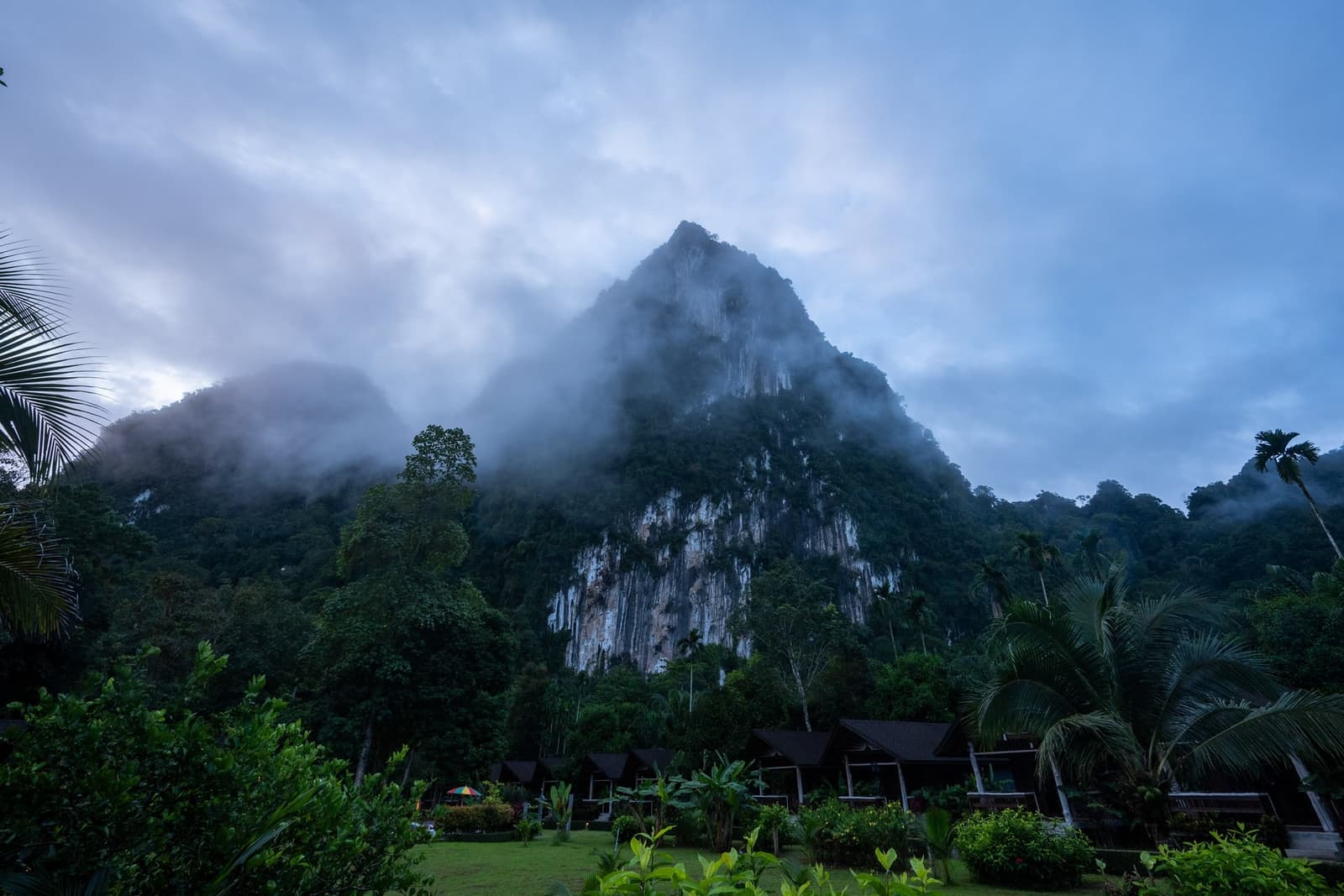
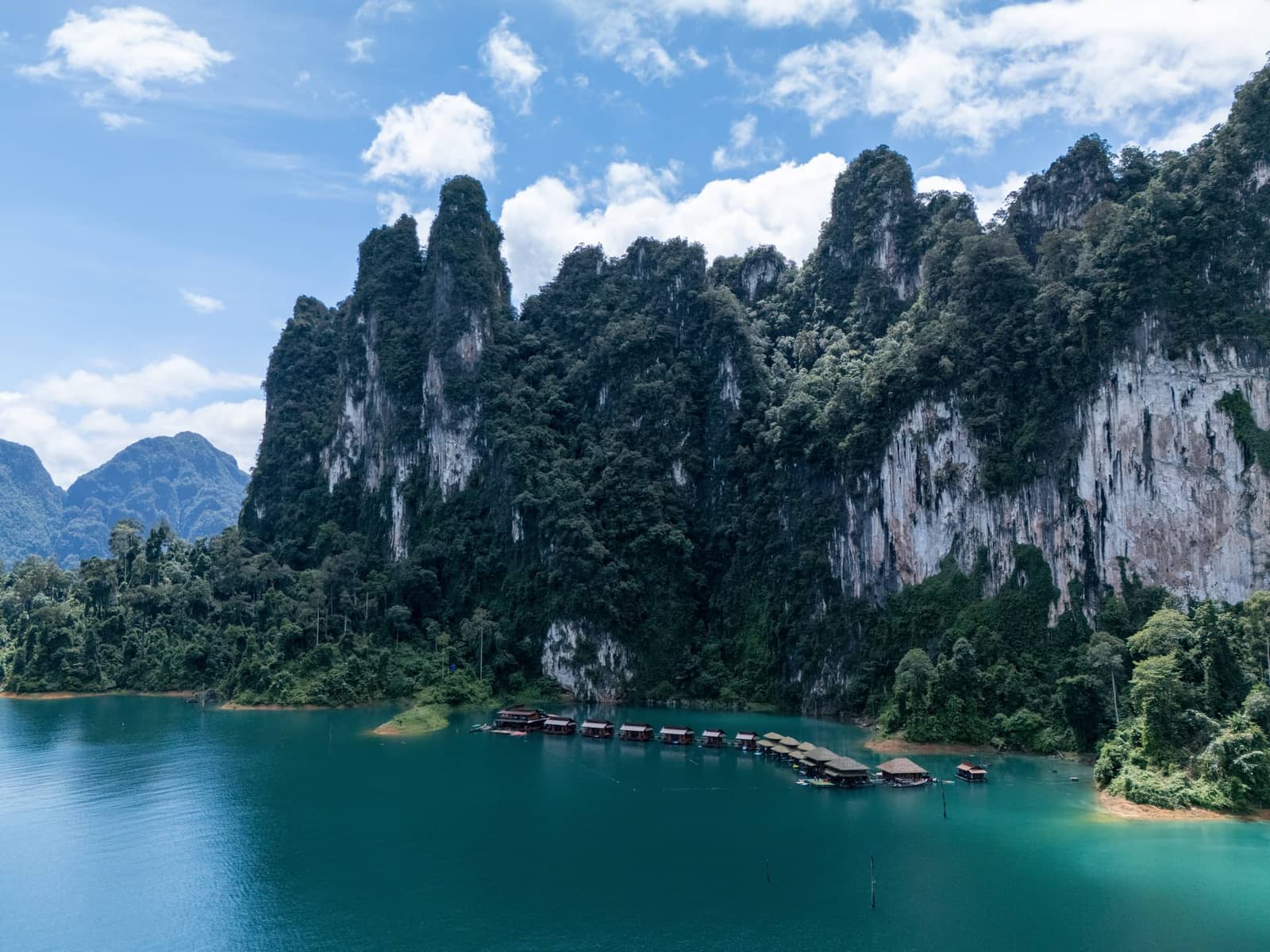
- Jungle landscape and environment
- Cultural details (clothing, decorations, tools)
- Hands-on skill demonstrations
Respectful photography: Always ask before photographing people. Be unobtrusive. Share photos with villagers if they want copies.
Sustainable and Ethical Considerations
Direct Community Benefit
100% of village tourism payments go to the community. Guides, meals, and activities are all paid for locally. This model ensures economic benefit reaches the people you’re visiting.
Cultural Preservation
Villages choose what aspects of culture to share with tourists and what to keep private. Your visit doesn’t commercialize sacred aspects or force cultural performance.
Environmental Stewardship
Karen communities are environmental stewards. Visiting supports their commitment to sustainable practices and conservation.
Self-Determination
The village controls tourism participation. They set hours, activities, and terms. This ensures tourism serves the community, not vice versa.
The Simba Approach
Why choose Simba for Khao Sok Village visits?
Community Partnerships: We have genuine, long-term relationships with the communities we visit.
No Performances: Villages share authentic daily life, not staged cultural shows.
Fair Economics: 100% of tourism payments support the community directly.
Respectful Tourism: We prioritize cultural respect and genuine connection over rushing through “experiences.”
Small Groups: Maximum 8 people. Small groups allow genuine interaction.
Flexible Pacing: Activities happen at the community’s pace, not a tour schedule’s pace.
Educational Approach: We prepare you for cultural differences and appropriate interaction beforehand.
Booking Your Khao Sok Village Tour
Ready to connect with local communities? Here’s how:
- Select your date from available options
- Choose tour type (village visit, combined with jungle/lake activities)
- Specify number of participants
- Confirm Phuket hotel pickup
- Note skill interests (weaving, cooking, crafts, etc.)
- Note any special interests (photography, environmental focus, etc.)
- Receive confirmation with community introduction and guide assignment
- Arrive on time ready for genuine connection
Questions about village activities, cultural expectations, or ethical tourism? Our team specializes in community-focused experiences.
Frequently Asked Questions
Subscribe for latest update about Travelling
Subscribe to receive updates about new tours, special offers, and travel tips for Thailand.