



We’ve visited the Phi Phi Islands on a previous trip to Phuket, but I can confidently say that our experience with Simba Sea Tours was on another level! Firstly, the boat was noticeably more modern, exceptionally clean and comfortable compared with our previous experience. The crew were incredibly professional, genuinely friendly and attentive throughout the entire day. There was also an abundance of food, snacks and refreshments available, so we were certainly never left hungry! One thing that really stood out was the tour guides’ willingness to actually get into the water with us, helping us explore and pointing out things we otherwise might have missed. It’s these little touches that make such a big difference. A couple of recommendations: I highly recommend organising a private transfer to the departure point. Also, don’t be put off by the early start! Getting out on the water before the crowds arrive is fantastic, and the sea is generally much smoother in the early morning, making for a far more enjoyable boat ride. You’ll probably notice that Simba Sea Tours is considerably more expensive than many of the other Phi Phi Island tours available in Phuket. However, having experienced both, I can confidently say you absolutely get what you pay for. The quality of the boat, professionalism of the crew, attention to detail and overall experience make the extra cost completely worthwhile. If you’re considering a Phi Phi Islands tour, I wouldn’t hesitate to recommend Simba Sea Tours. Five stars and worth every cent!


The Iconic Limestone Pinnacle of Phang Nga Bay
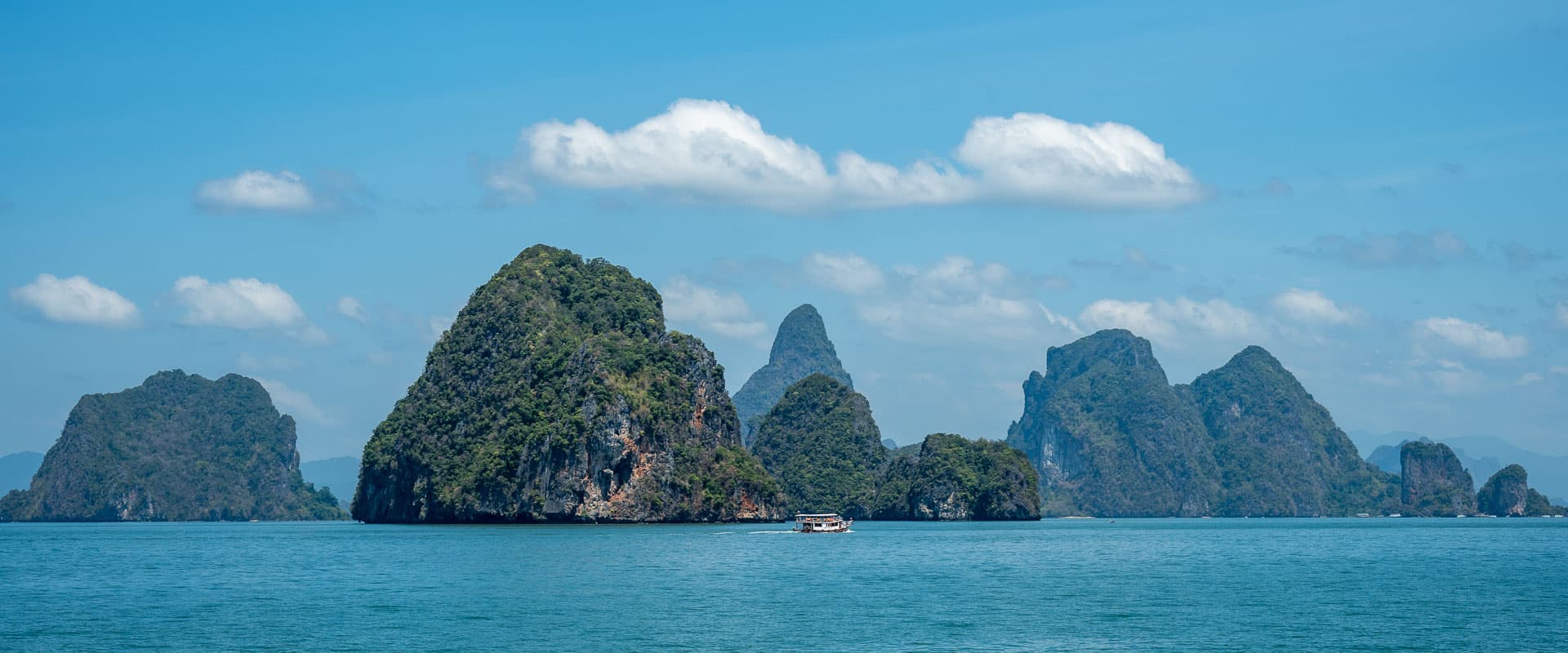
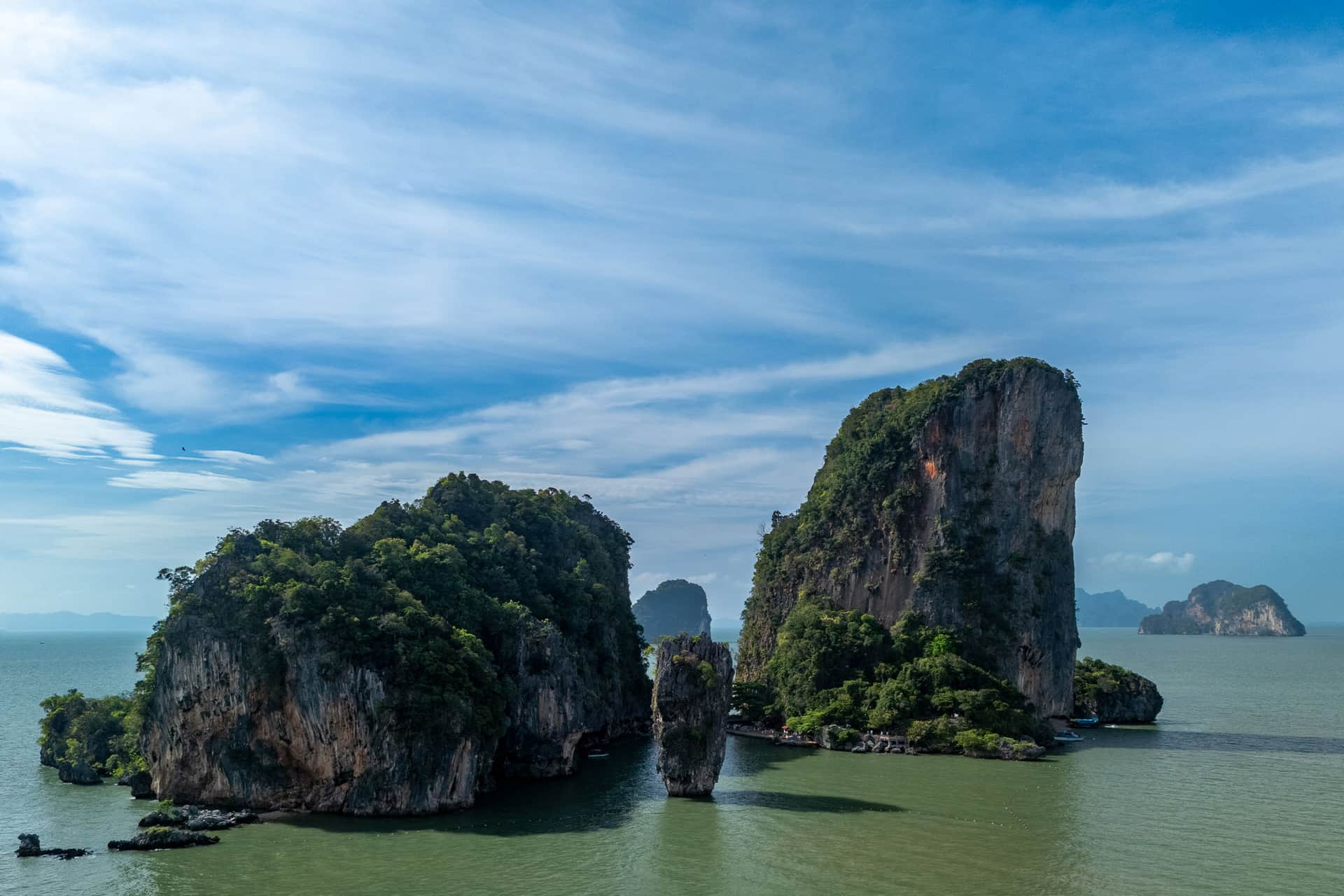
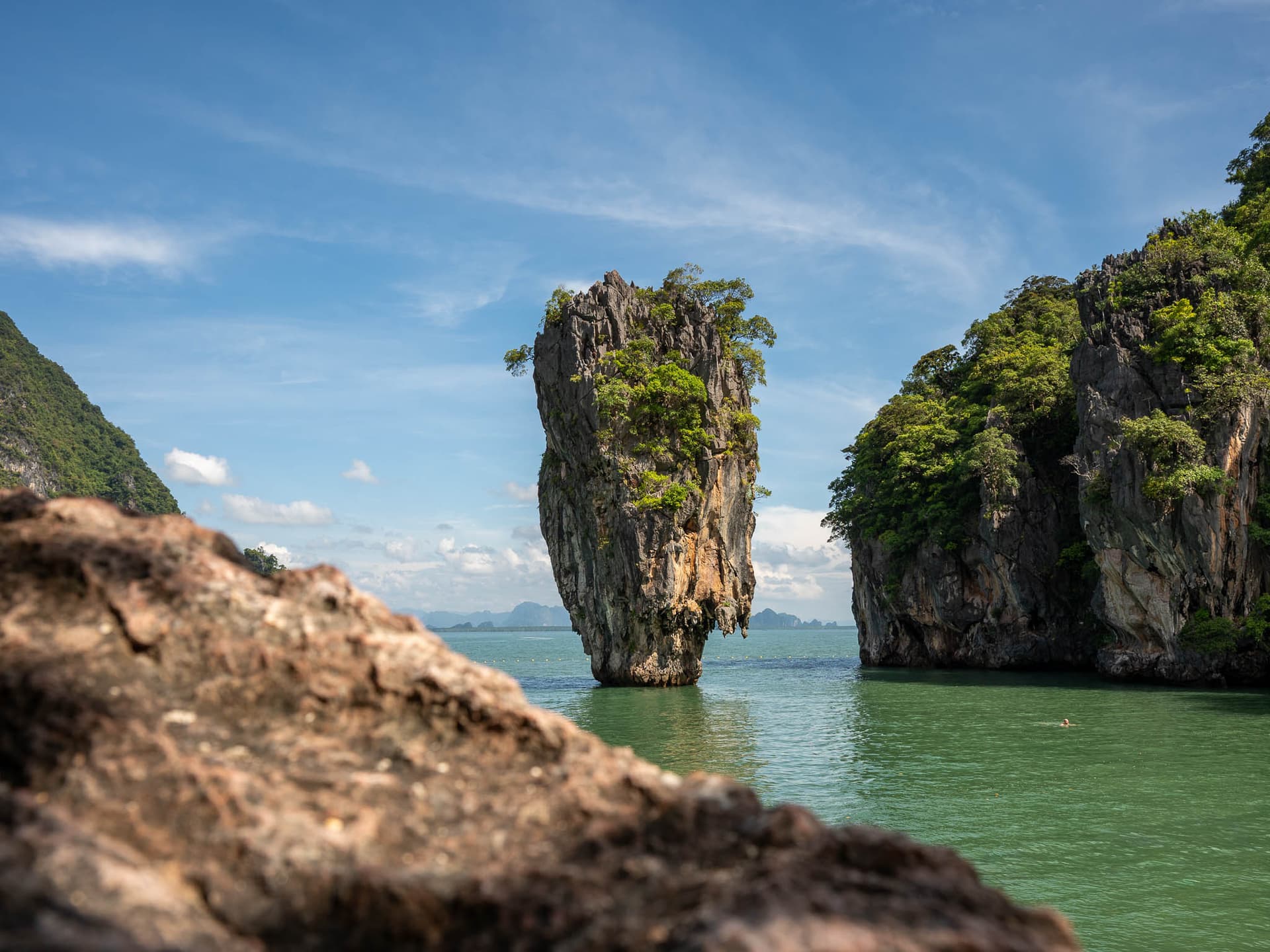
Ko Ta Pu is instantly recognisable — a narrow, near-vertical spike of limestone that rises sharply from the calm waters of Phang Nga Bay, tapering to a point against the sky. It has appeared in countless photographs and is widely considered the defining image of the bay, yet nothing quite prepares you for the moment you see it from the water for the first time. Viewed from the beaches of nearby James Bond Island (Khao Phing Kan), Ko Ta Pu offers a view so striking that it has become one of the most photographed scenes in all of Thailand — and one of the visual highlights of a Simba Sea Trips Phang Nga Bay tour from Phuket.

Tours that visit here
 Join-In Tour
Phang Nga Bay & James Bond Island — 8 hours
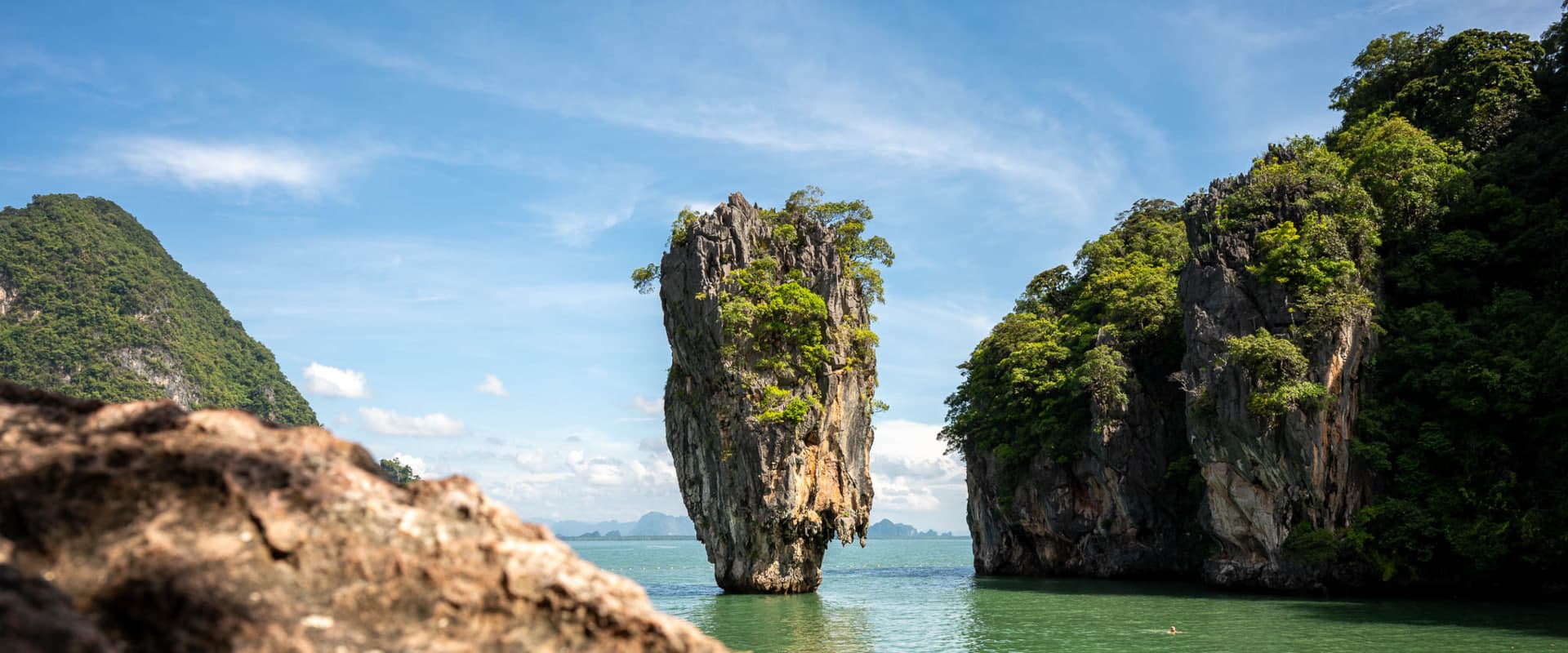
Limestone karsts, hidden sea caves, mangrove kayaking, and the iconic Khao Phing Kan ("James Bond Island"). Smallest group sizes among local operators — most boats running this route carry 30–60. We carry 18. Lunch on board.
Max 18 adults · From ฿4,500 · Free cancellation 24h+ · All-inclusive
Private Charters
Your boat, your schedule, your itinerary. Hire the whole vessel for your group of 2–20 and tailor the day on the Andaman.
View All Charters →Why Ko Ta Pu Stands Apart?
Nature’s Most Striking Geological Sculpture
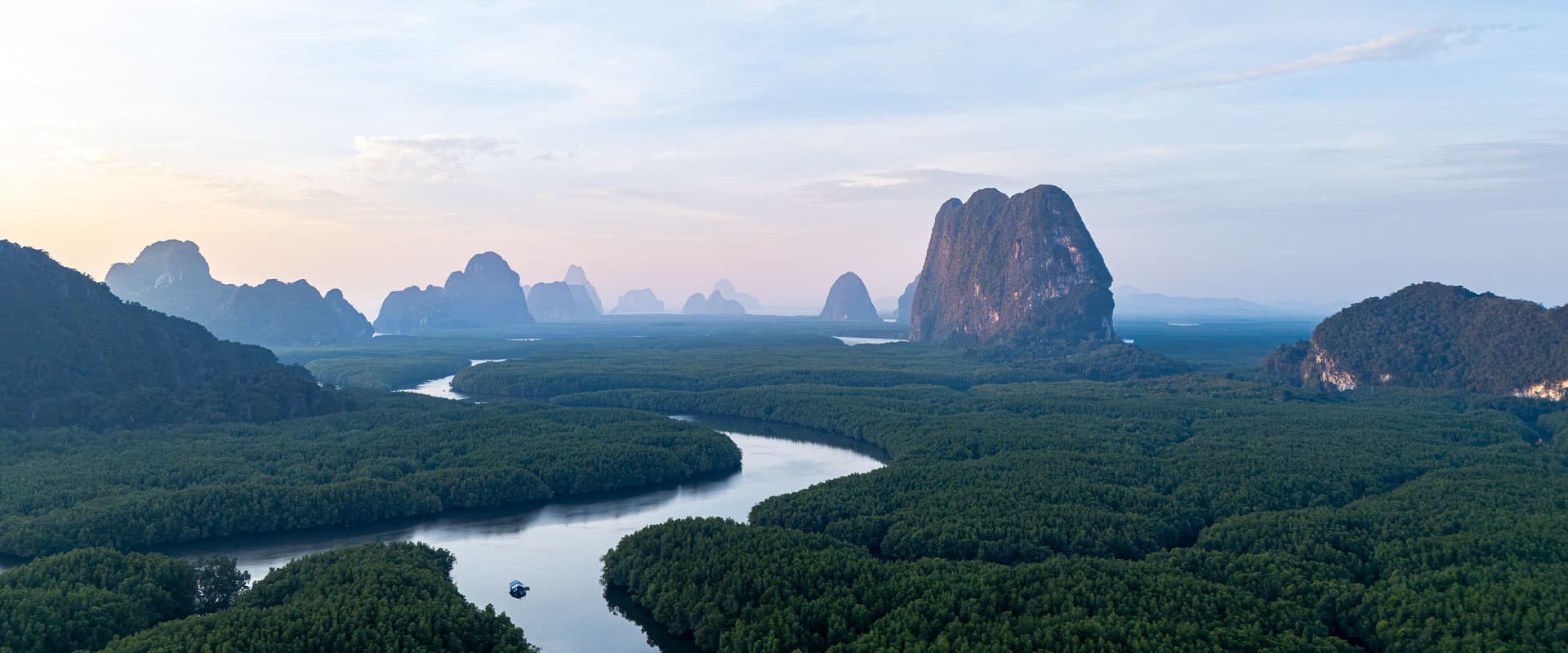
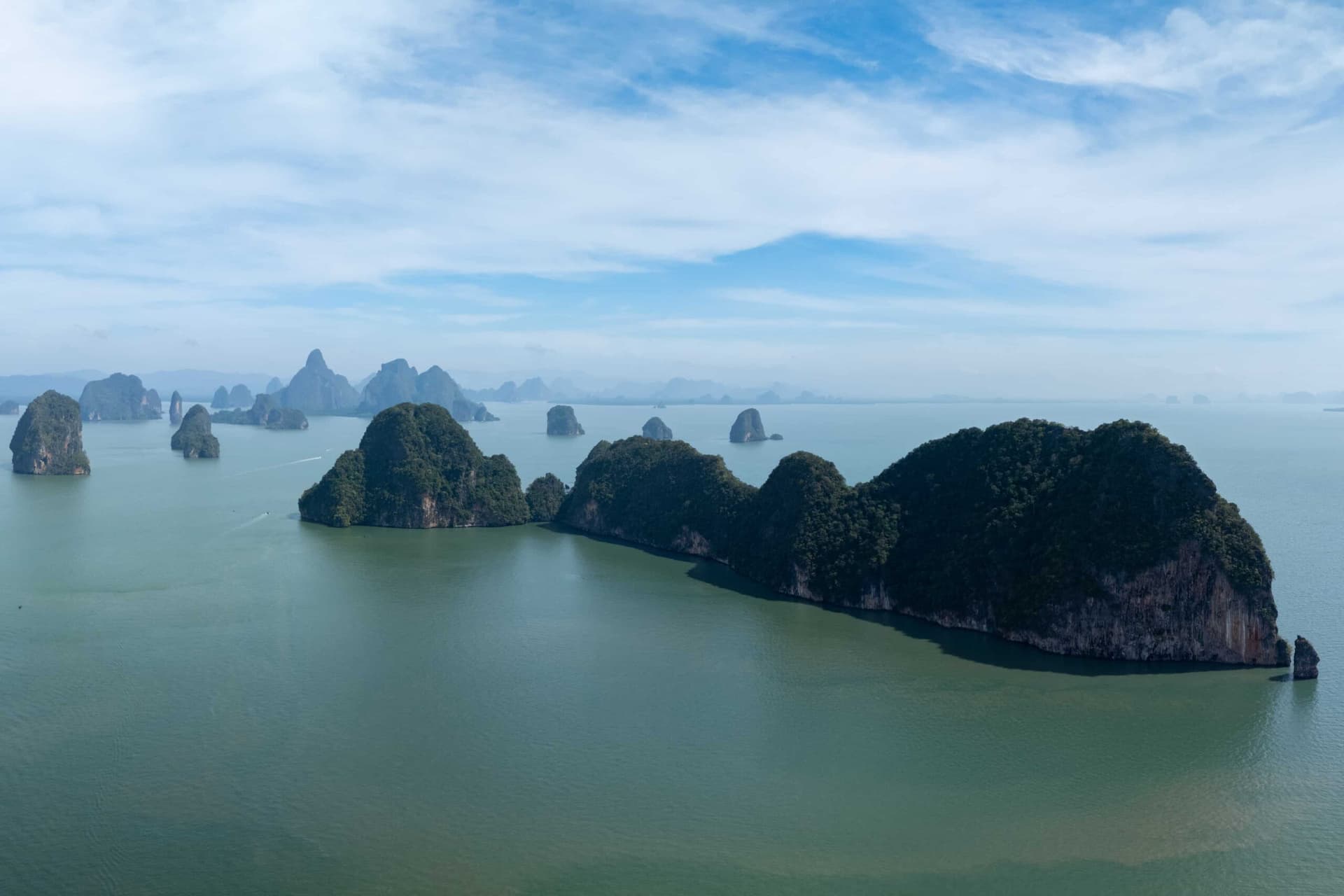
Ko Ta Pu rises approximately 20 metres from the water in a near-vertical column of limestone, and it has the appearance of something that should not be standing. The rock has been shaped over millions of years by the slow work of wind, rain, and tidal erosion — the same forces that formed all the dramatic karst formations across Phang Nga Bay — but the result here is particularly extraordinary. The pinnacle is narrow at both base and apex, and the improbability of its shape is part of what makes it so visually compelling.
The Most Photographed Rock in Phang Nga Bay
Ko Ta Pu features on the cover of countless travel guides, postcards, and tourism campaigns about Phang Nga Bay and southern Thailand. Its profile — the slim column rising from still water, framed by broader karst formations in the background — is one of those images that seems almost too perfect to be real. When you see it in person, preferably in the calm light of early morning from the shoreline of James Bond Island, the reality matches the reputation entirely.
A Connection to Film History
Ko Ta Pu appeared as a prominent feature in the 1974 James Bond film The Man with the Golden Gun, in which it served as part of the villain’s island setting. While the island of Khao Phing Kan became known as ‘James Bond Island’ after the film, Ko Ta Pu — standing just offshore — is in many ways the more visually distinctive of the two, and has become the signature image associated with the James Bond Island visit.
What to Expect When Visiting Ko Ta Pu
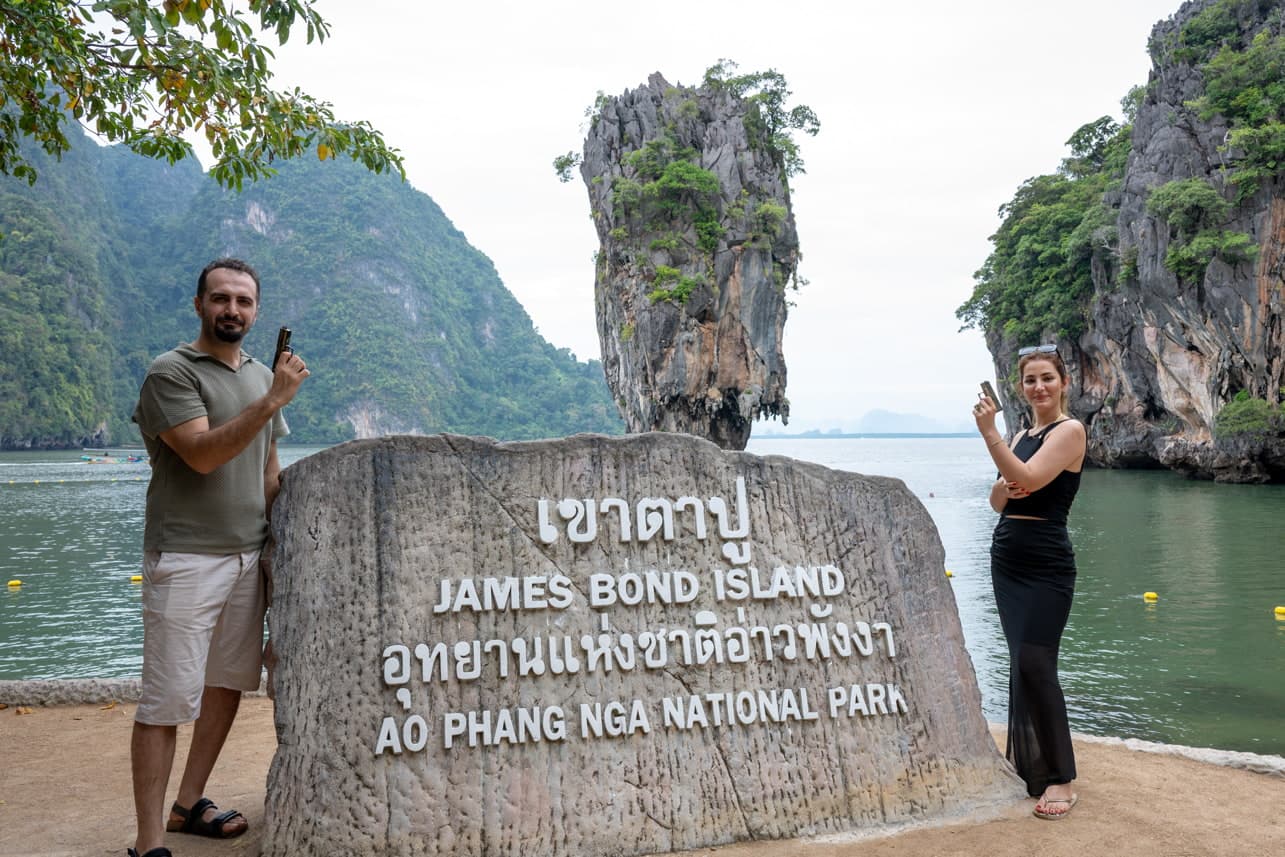
First Glimpse from the Speedboat
Ko Ta Pu first appears as a slender rock rising from the water as the boat moves through the karst formations of Phang Nga Bay. As you get closer, the shape and texture of the limestone become clearer. While many guests have seen photos before, the first real view often creates an exciting moment on board.
Views from James Bond Island
The most famous view of Ko Ta Pu is from the small beaches of James Bond Island, looking across the water toward the limestone pinnacle. This iconic perspective is featured in many travel images of Phang Nga Bay. Different spots along the beach and walkways offer slightly varied angles of the formation and surrounding karst scenery.
Morning Light for Photography
Ko Ta Pu looks especially impressive in the soft light of the early morning, when Simba’s tours typically arrive. The gentle light highlights the limestone textures and calm water reflections, creating ideal conditions for photography before the area becomes busy.
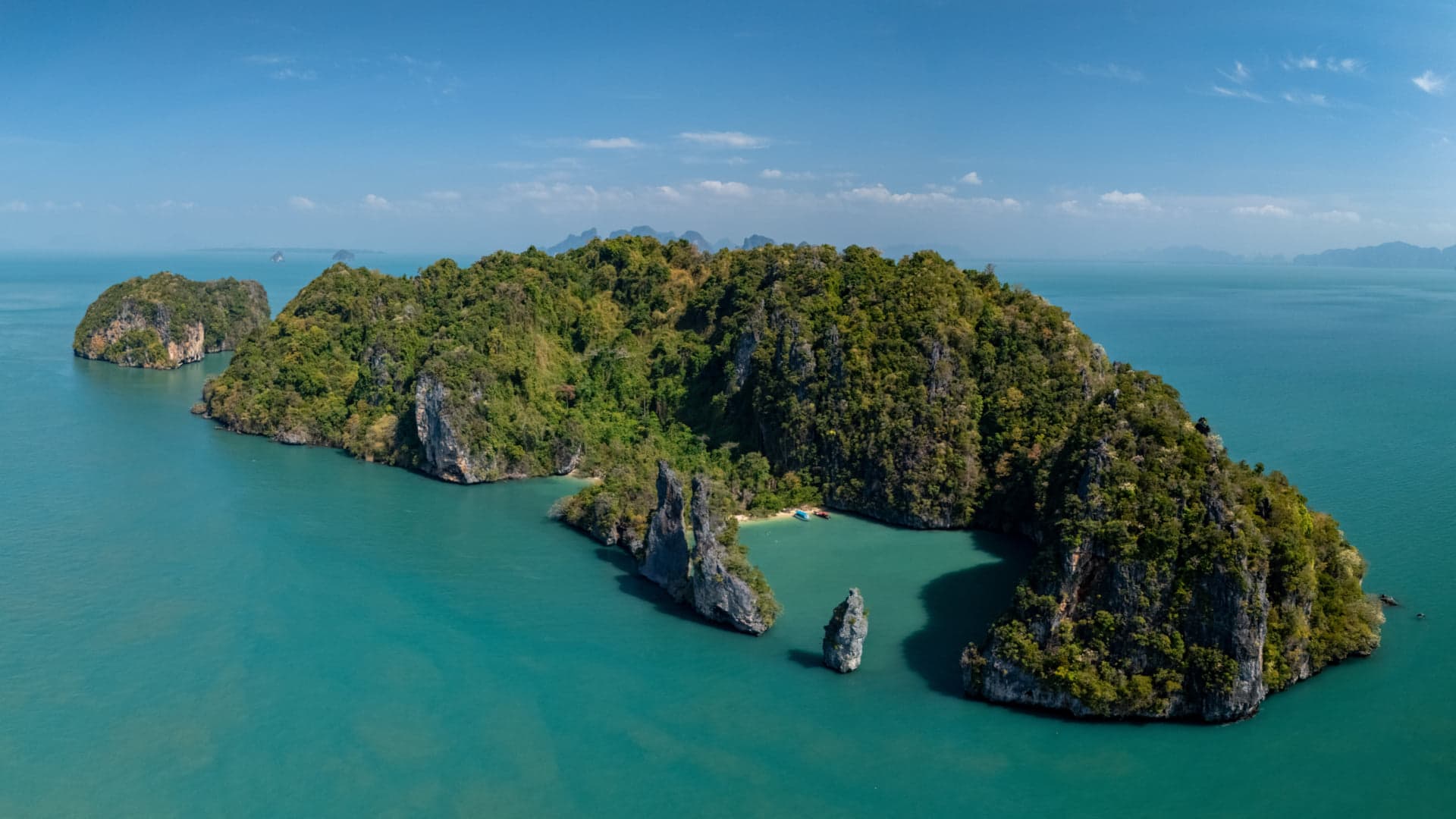
Activities and Experiences at Ko Ta Pu
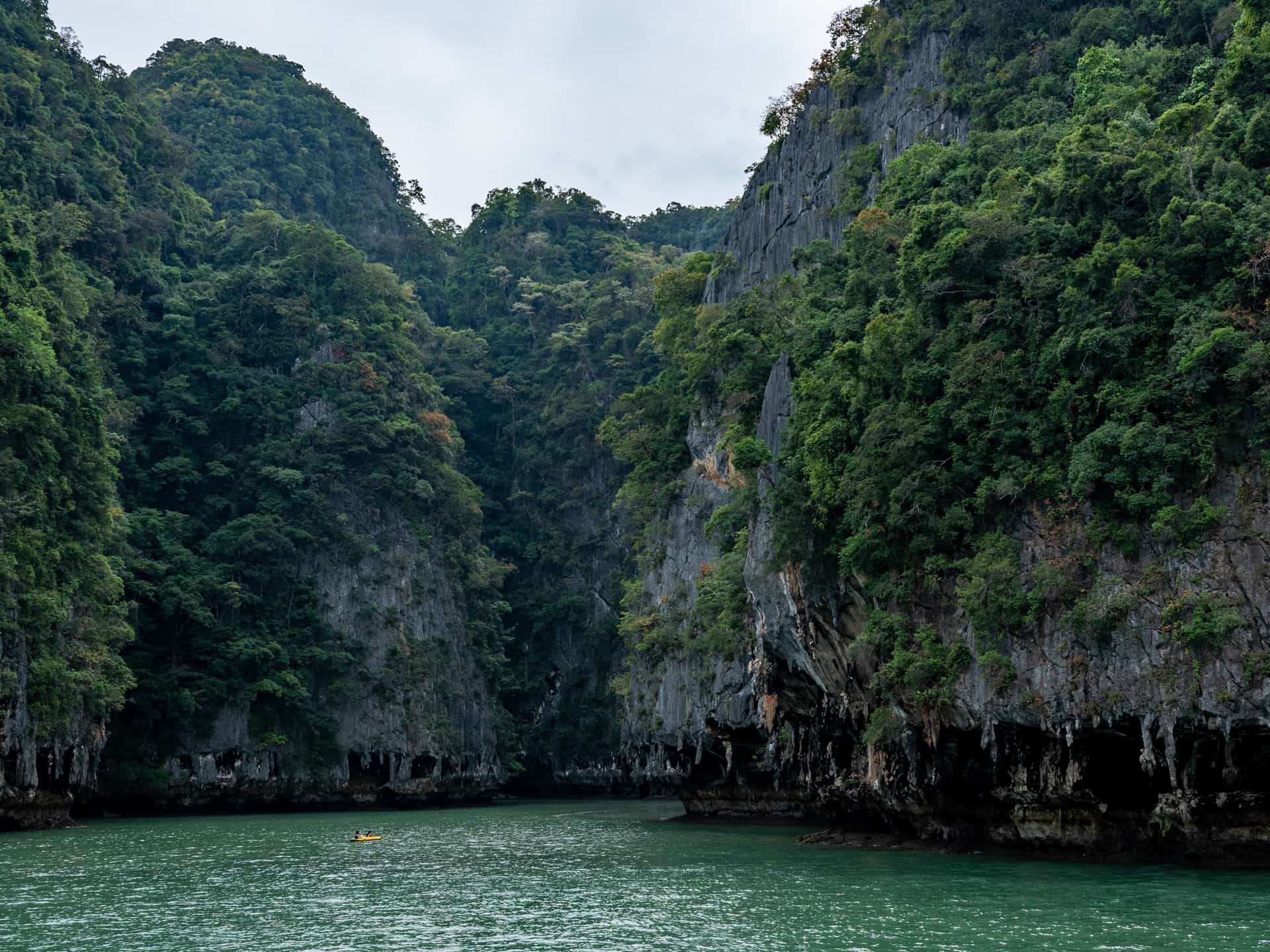
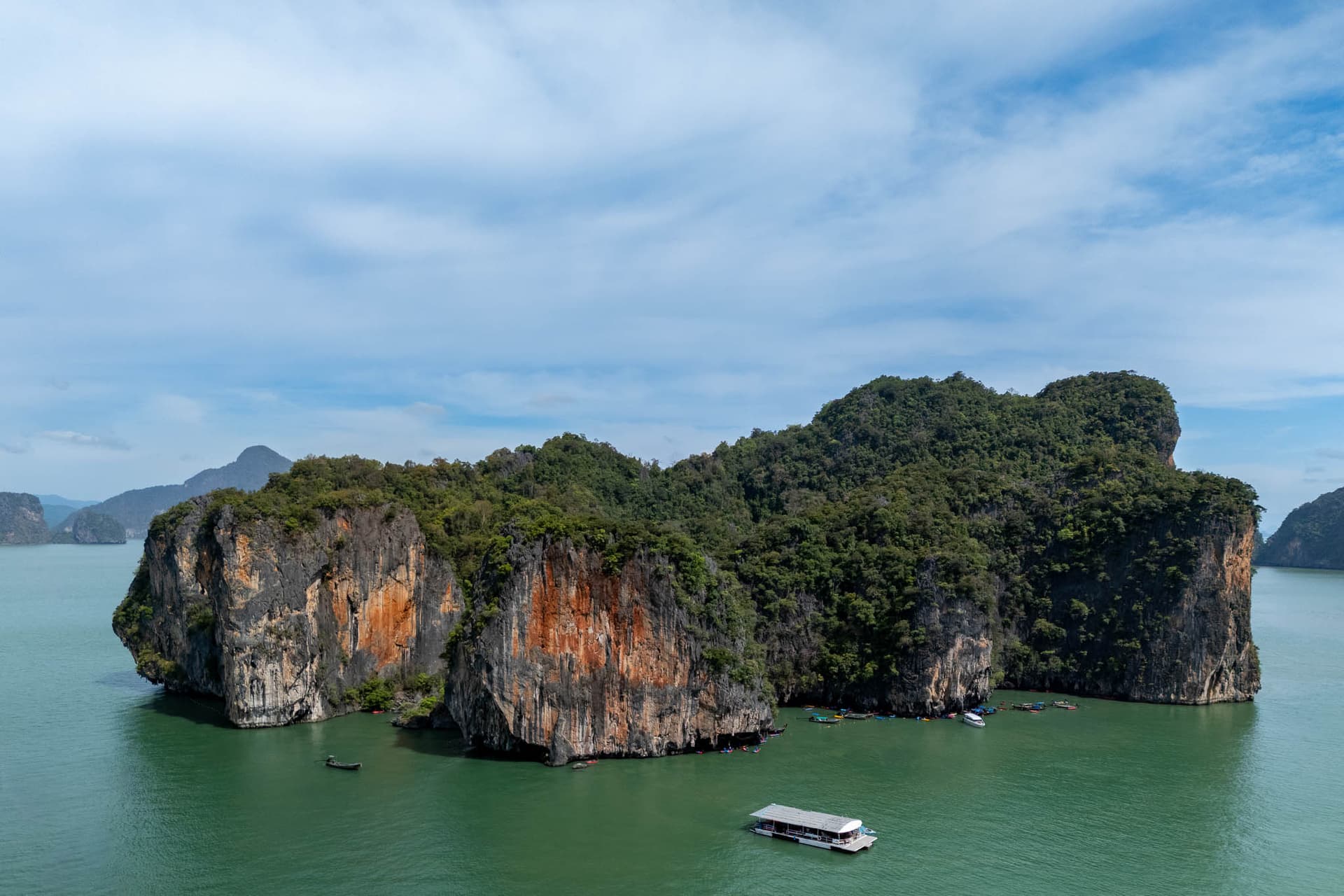
Ko Ta Pu is best experienced as a sightseeing and photography destination. Guests explore the surrounding beaches and walkways of James Bond Island while taking in the views of Ko Ta Pu from multiple angles. The rock itself is not climbed or accessed directly — it is appreciated from the surrounding beaches and water. Within Simba’s wider Phang Nga Bay itinerary, the visit to Ko Ta Pu and James Bond Island is paired with sea canoeing excursions into the caves and hongs of Hong Island and Panak Island, creating a day that balances scenic highlights with more active exploration.
How We Visit Ko Ta Pu on Our Phang Nga Bay Tour
Ko Ta Pu is visited as part of Simba Sea Trips’ Phang Nga Bay tour, alongside James Bond Island. The two are effectively one stop — the pinnacle is viewed and photographed from the beaches and walkways of Khao Phing Kan rather than from a separate landing point. Simba’s approach is to arrive early, keep groups small (capped at 18 guests), and allow time to absorb the view without feeling rushed or crowded.
The crew will help orient guests towards the best photography angles and provide background on the geology and film history of the site. Ko Ta Pu is also a feature of Simba’s private Phang Nga Bay charters, where groups can choose to spend additional time at the viewpoints or combine the stop with other parts of the bay.
Best Time to Visit Ko Ta Pu
Ko Ta Pu is visible and worth visiting year-round.
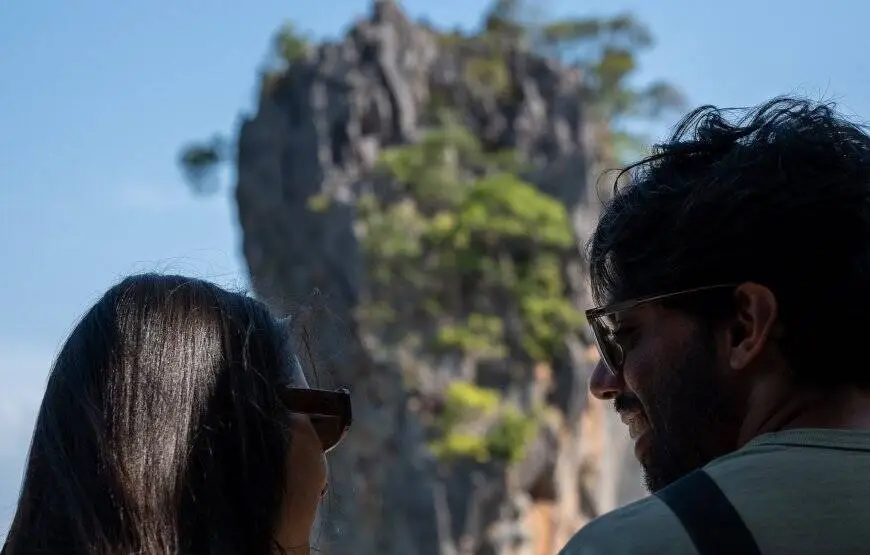
Seasonal Overview
High season (roughly November to April)
High season offers cleaner skies and calmer waters, which makes for the most dramatic panoramic views and the clearest photography conditions.
Low season (roughly May to October)
Low season visits can offer moodier, more atmospheric light, with lush greenery on the surrounding karsts providing a vivid backdrop.
As with all stops on Simba's Phang Nga Bay itinerary, the early departure from Phuket is the single most effective way to ensure a quality experience at Ko Ta Pu — arriving before the busiest part of the day and making the most of the morning light.
What Our Guests Say
- TripAdvisor4,330
- Google1,209
- GetYourGuide444
- Viator560
Frequently Asked Questions
Subscribe for latest update about Travelling
Subscribe to receive updates about new tours, special offers, and travel tips for Thailand.