

Sharks are back at Maya Bay: how to watch blacktip reef sharks responsibly
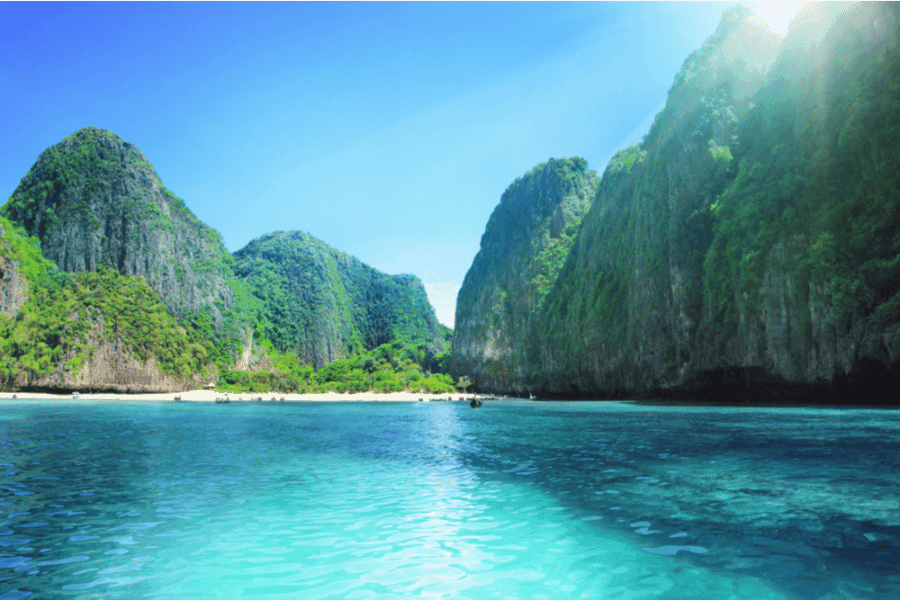
Maya Bay is a tourist destination that frequently features on many people’s bucket list. Famous from its starring role in the Leonardo Di Caprio hit film, The Beach, the region has long been overrun by tourists looking to experience its magnificence all to themselves. Unfortunately as a result, Maya Bay has experienced frequent closures in order to revitalize the bay but this has been a necessary step to ensure the longevity of this incredible destination.
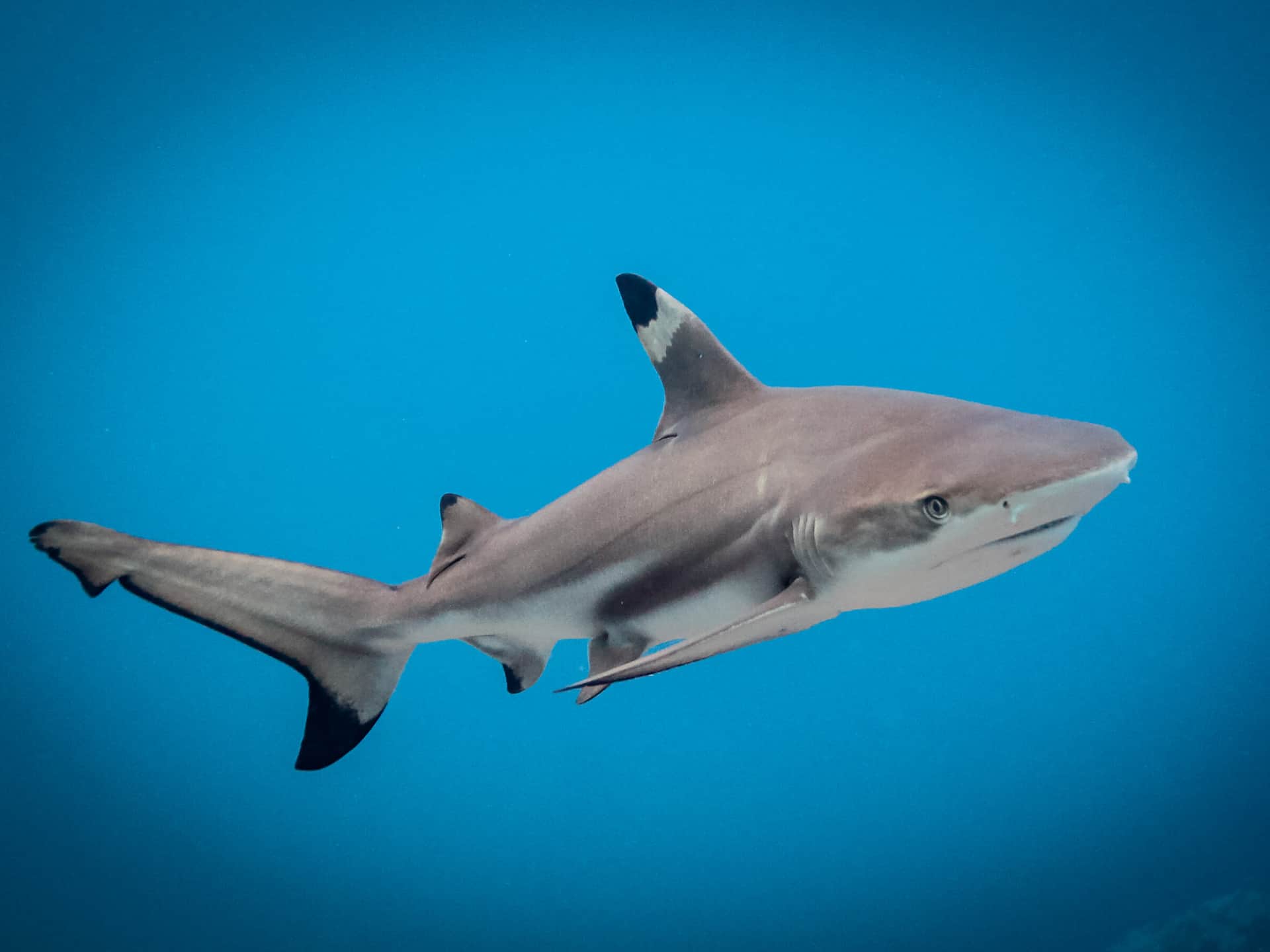
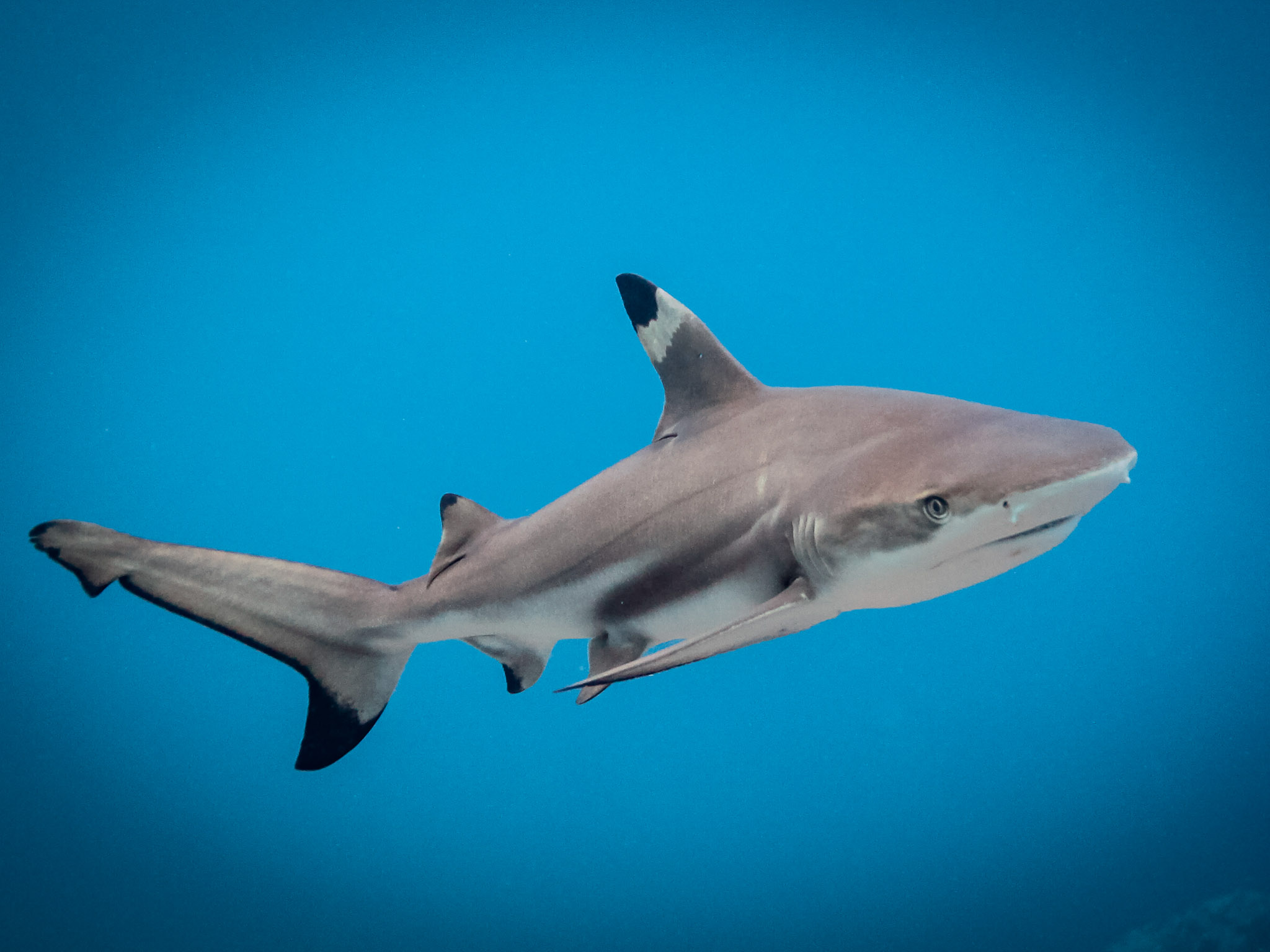
As a result of the focus on preservation, Maya Bay has reopened for tourism from October 1st. If Maya Bay has been on your wish list, 2025 is the year it truly feels alive again, and this is in large part due to the thriving marine-life that have returned to the region in droves. A prime example of this, during a Shark Watch Project survey in early July, researchers recorded a single group of 158 blacktip reef sharks in the bay. That is the highest count ever documented in one go and a powerful sign that the protection measures are working.
The comeback in numbers
On the morning of 3 July 2025, marine scientists from the Marine National Park Research Centre Region 3 used drones and BRUV cameras to tally 158 blacktip reef sharks cruising the clear shallows of Maya Bay. This was part of a weeklong survey aimed at tracking population health inside Hat Noppharat Thara Mu Ko Phi Phi National Park.
Why the no swimming rule matters
Maya Bay’s shoreline is a nursery zone for young blacktip reef sharks. Human activity in the water can stress the animals and disturb the seabed, so the park keeps things simple. No swimming in the bay. Rangers sometimes allow only knee deep wading in a small designated area, which maintains a safe buffer for wildlife while still letting visitors enjoy the view. Capacity is managed in timed rounds to keep numbers in check.
Quick rule recap
These are the non-negotiables that keep the nursery healthy and the experience calm.
-
Access via Loh Samah Bay with a short boardwalk to the beach
-
No boats inside Maya Bay and no anchoring on the reef
-
Timed visits of about one hour with a cap per round
-
No swimming and no feeding fish
These settings protect the nursery habitat that the sharks rely on.
When to visit for respectful sightings
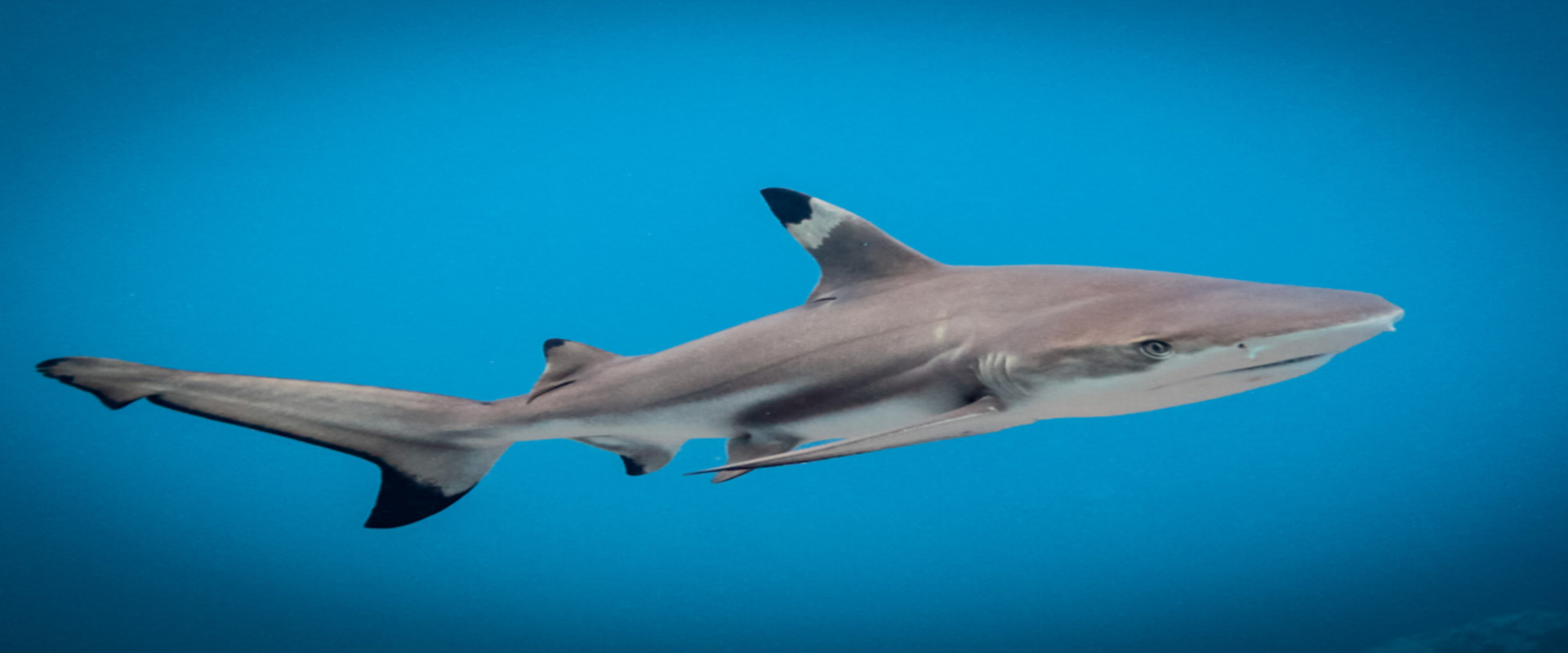
If you want to see natural behavior without adding pressure, aim for the quiet windows. First light often brings the best chance of spotting gentle movement in the shallows from the shoreline, with a second good window late in the day once crowds thin. Both options also give softer light for photography.
How Simba Sea Trips sets you up for a better encounter
Our small group Phi Phi Island tours are built around timing and flexibility, which is exactly what Maya Bay now rewards. Early departures reach the bay before the bulk of the day boats, and our captains can adjust the sequence to match conditions. If you prefer later light, ask about sunset focused options that highlight quiet water and unhurried viewing from approved vantage points.
A simple code of conduct for ethical wildlife viewing
Think shoreline first, low impact always. Enjoy sharks from the beach line or boardwalk and keep a respectful distance. Stay still and avoid chasing or crowding. Do not feed or touch wildlife, and skip fish food entirely. Choose reef safe sunscreen or wear a rash vest to protect water quality, then pack out all rubbish and follow ranger instructions. Small choices add up to a stress free nursery for young sharks.
Photo tips from the beach
You do not need to be in the water to bring home great images. Go wide with a 24 to 35 mm equivalent to frame the amphitheater cliffs and shoreline. Shoot short bursts as schools pass in the shallows. A polarizing filter can help define surface detail without killing the highlights. Keep your feet planted and let the scene unfold.
Blacktip reef sharks: the facts behind the recovery
Blacktip reef sharks (Carcharhinus melanopterus) are harmless to people — shallow reef-flat dwellers you'll often see cruising in inches of water with a dorsal fin breaking the surface. What makes their return to Maya Bay so significant is how slowly they reproduce:
- Gestation: around 7–11 months (up to ~16 in some regions)
- Litter: just 2–4 pups, born live (viviparous)
- Maturity: not until about 8 years (males) / 9 years (females)
- Status: IUCN Vulnerable — an estimated 30–49% decline over the last three generations
That slow cycle is the whole point. A species that has only a handful of pups a year, and takes the better part of a decade to mature, simply cannot bounce back quickly from pressure — which is why the shark-fin trade is so damaging to reef sharks worldwide, and why a protected nursery like Maya Bay matters far beyond one beach. Sources: MarineBio, Shark Research Institute, and the IUCN Red List.
What we've seen on the water
Since Maya Bay reopened and swimming was restricted, the shallows have quietly become a blacktip nursery — and our crews have watched it happen, trip after trip, from the boats on the Phi Phi run. Juvenile blacktips using the protected shallows is exactly the recovery the closure was designed to create. Guides like Momo, who trains in conservation between seasons, brief every group on watching these sharks the right way: no chasing, no feeding, no standing on the reef — just letting a wild nursery do its thing.
[MEDIA TO ADD — Paul: our own photos/video of juvenile blacktips in the shallows go here (the uncopyable proof); plus an optional licensed/CC "before vs after" pairing — crowded pre-2018 Maya Bay beside a recent quiet Simba dawn.]
If seeing blacktips is on your list, our Phi Phi Sunset & Shark tour is built around a shark-spotting stop (dry season, November–April). For the wider story, see our complete Maya Bay guide.
Maya Bay is part of the Phi Phi Islands — explore the Maya Bay & Viking Cave destination guide for the wider area.