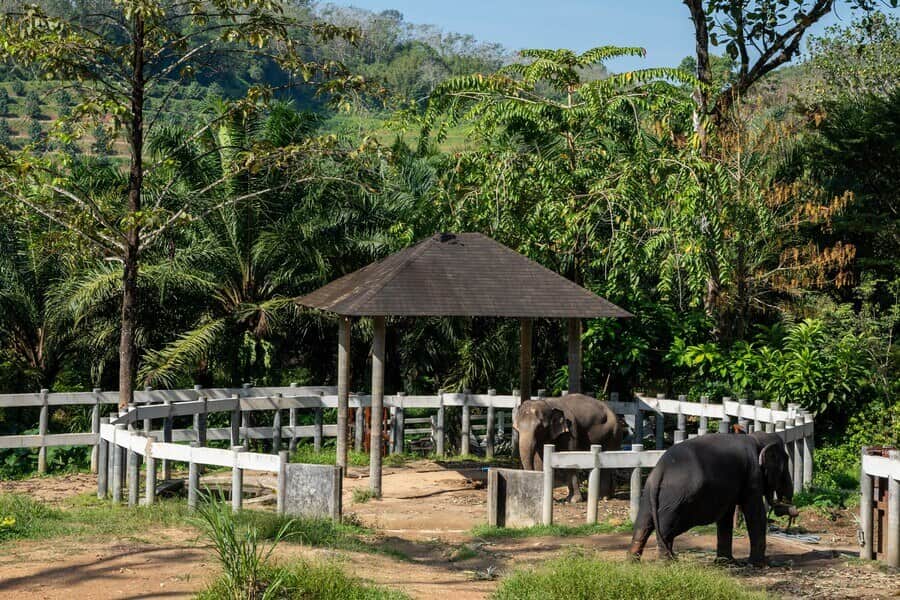


Phuket is home to several genuinely ethical elephant sanctuaries — places where rescued elephants live out their days free of riding, shows and chains — but it’s also home to venues that borrow the word “sanctuary” without the substance. The difference matters: your ticket money either funds rehabilitation or funds the thing the elephants were rescued from. Here’s how to tell them apart, three of the island’s most consistently well-regarded reserves, and how to visit in a way you’ll feel good about afterwards.
Why sanctuaries exist at all
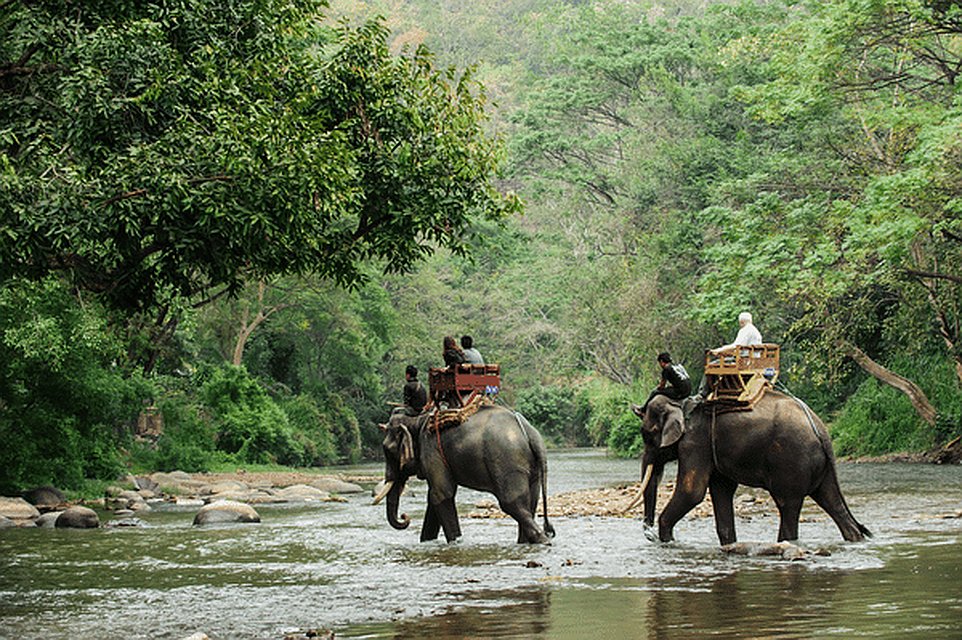
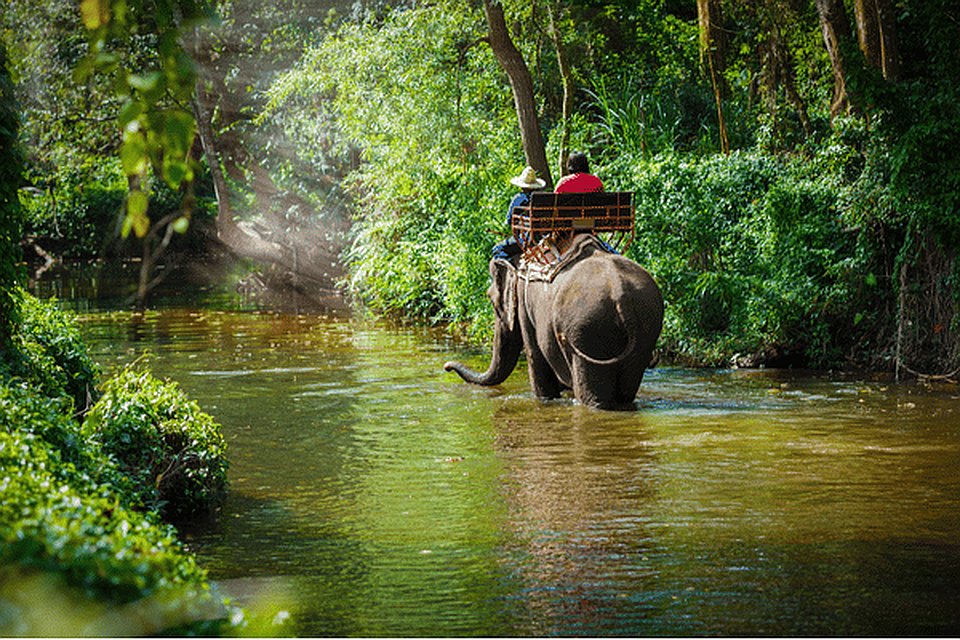
Elephants are woven through Thailand’s culture and history, but the 1989 logging ban left thousands of working elephants — and their mahouts — without a livelihood, and tourism absorbed many of them, not always kindly. Riding camps and performance venues created demand for training methods no traveller would want to fund knowingly. Ethical sanctuaries emerged as the counterweight: rescuing elephants from those conditions and giving them space, care and as natural a life as captivity allows, funded by visitors who come to watch rather than ride.
Green flags and red flags
The quickest test of any venue is what the elephants are asked to do for you. The strictest welfare standard is observation-first: elephants roaming, foraging and socialising while you watch from a respectful distance. Feeding programs are common and broadly accepted; walking alongside is middle ground; and note that welfare thinking has shifted on bathing with elephants — the most rigorous reserves have phased it out, so treat “mud bath selfies” as a personal-comfort call rather than a neutral perk.
| Green flags | Red flags |
|---|---|
| No riding, ever | Riding offered — walk away |
| Observation-first, distance respected | Shows, tricks, painting elephants |
| Rescue histories published per elephant | Vague “our elephants love people” stories |
| Small visitor groups, capped daily numbers | Bus-loads and conveyor-belt photo slots |
| Income visibly reinvested in care | Pressure to buy add-on interactions |
| Hooks and chains absent | Mahouts carrying bullhooks |
Three well-regarded sanctuaries in Phuket
1. Phuket Elephant Jungle Sanctuary — one of the island’s best-known ethical operations and a pioneer of the no-riding model here. Elephants roam a forested hillside; visits centre on observing, preparing food and feeding. Its longer programs are popular, so book ahead in high season.
2. Phuket Elephant Nature Reserve — connected to the renowned Elephant Nature Park lineage in Chiang Mai, with rescued elephants living in an open, peaceful setting. Half-day and full-day visits walk you through each animal’s rehabilitation story, and the rescue-history transparency is exactly the green flag you want to see.
3. Tree Tops Elephant Reserve — the strictest of the three on contact: a deliberately non-intrusive, observe-from-a-distance model with a strong sideline in reforestation and sustainability. If observation-first is your standard, this is the closest match on the island.
All three prohibit riding and performances. Programs, prices and availability change, so check each sanctuary’s current offering directly when you book.
Visiting responsibly
Book direct where you can, so your money lands where it should. Follow the guides’ instructions on distance — it’s for the elephants’ comfort, not bureaucracy. Skip venues that advertise shows, tricks or painting outright, and treat any pressure toward close-contact add-ons as your cue to step back. Quiet voices, no flash photography, and patience get you better encounters than any staged moment anyway: an elephant choosing to amble past you beats a posed photo every time.
Pair it with a day on the water
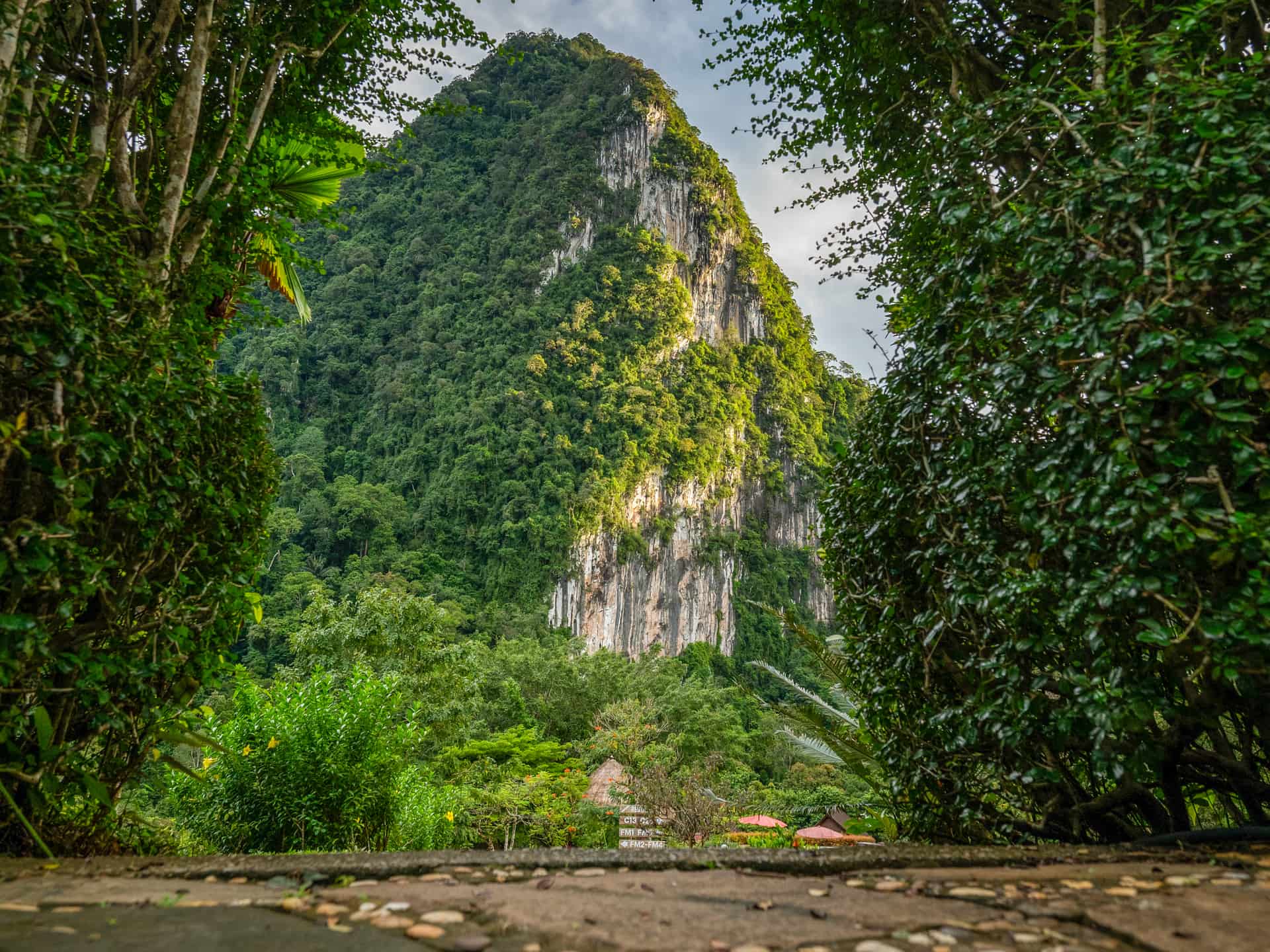
Most sanctuary visits run a half-day, which makes them an easy pairing with Phuket’s other headline experience. A sheltered Phang Nga Bay day with its sea caves and karsts is the natural companion piece — wildlife-rich in its own right — or go the full jungle route with our Simba Jungle Trip to Khao Sok, where ancient rainforest and a jade-green lake carry the nature theme onward. Browse the tour calendar to build the pairing around your dates.
The bottom line
An ethical elephant visit is one of the most memorable things you can do in Thailand — provided the ethics are real. Hold venues to the green-flag list, favour observation over interaction, and your visit funds exactly what it should: elephants living something close to the life they were owed all along.
Planning the rest of the trip? See our tour calendar — trusted by thousands of verified reviewers across TripAdvisor, Google & GetYourGuide.