

What you actually need to know — quick answer
Thailand has very few dangerous-animal encounters that affect tourists. The realistic risk profile is small, but the hazards worth a moment’s caution are not the ones the internet panics about. For a typical Phuket-bound visitor, the highest practical risks are mosquito-borne illness (dengue), reef hazards (sea urchins, stonefish, fire coral), seasonal box jellyfish, and aggressive macaque monkeys at popular tourist stops like Phi Phi’s Monkey Beach. Venomous snakes exist but rarely encounter tourists. Sharks are not a meaningful risk in Thai waters.
| Hazard | Where | Season | Severity | First action |
|---|---|---|---|---|
| Box jellyfish | Coastal Andaman, west Phuket beaches | Higher risk May–Oct | High (medical emergency) | Pour vinegar, do not rinse with fresh water, call 1669 |
| Stonefish / scorpionfish | Shallow reefs, rocky shoreline | Year-round | High (severe pain, hospital) | Immerse foot in hot water 45 °C, transport to hospital |
| Sea urchins / fire coral | Shallow reefs | Year-round | Low–medium | Remove spines, antiseptic, monitor for infection |
| Mosquitoes (dengue) | Urban + coastal areas, rainy season | Year-round, peak Jul–Oct | Low–high (cumulative risk) | DEET repellent, cover at dusk |
| Monkeys (Phi Phi, temples) | Specific tourist sites | Year-round | Low–medium (bite/scratch + rabies protocol) | No feeding, no eye contact, no bags within reach |
| Venomous snakes (Cobra, Krait, Viper) | Inland grass, gardens, undergrowth | Year-round | High (rare for tourists) | Hospital immediately, do not attempt capture |
| Centipedes / scorpions | Inland, rocky areas, sometimes urban | Year-round | Low (painful but rarely fatal) | Clean, ice, monitor; hospital if reaction |
Why I wrote this article — and why I’m calm about it
I’m Paul Chappell, captain and owner-operator of Simba Sea Trips. I’ve spent 23 years as a professional airline pilot — Lead Captain on a Boeing Business Jet, former Chief Pilot, qualified Flight Instructor — and I’ve operated boats commercially in Phuket waters since 2014. Simba Sea Trips itself was founded in 2005; we hold Tourism Authority of Thailand licence 34/02111 and have run guided tours out of Boat Lagoon Marina for more than twenty years.
I’m writing this because most “dangerous animals in Thailand” articles online are written by people who have never been here, and they sensationalise a country that is safer for tourists than most European cities. We brief every Simba guest before each tour, not because Thailand is dangerous, but because a one-minute briefing is the difference between an unforgettable holiday and an avoidable hospital visit. The hazards worth knowing about are not the ones in the clickbait headlines. They are mostly small, mostly seasonal, and mostly avoidable with a few simple habits. Read the captain’s bio for the full credentials block — what follows is the practical guide.
Box jellyfish: the one marine hazard that genuinely matters
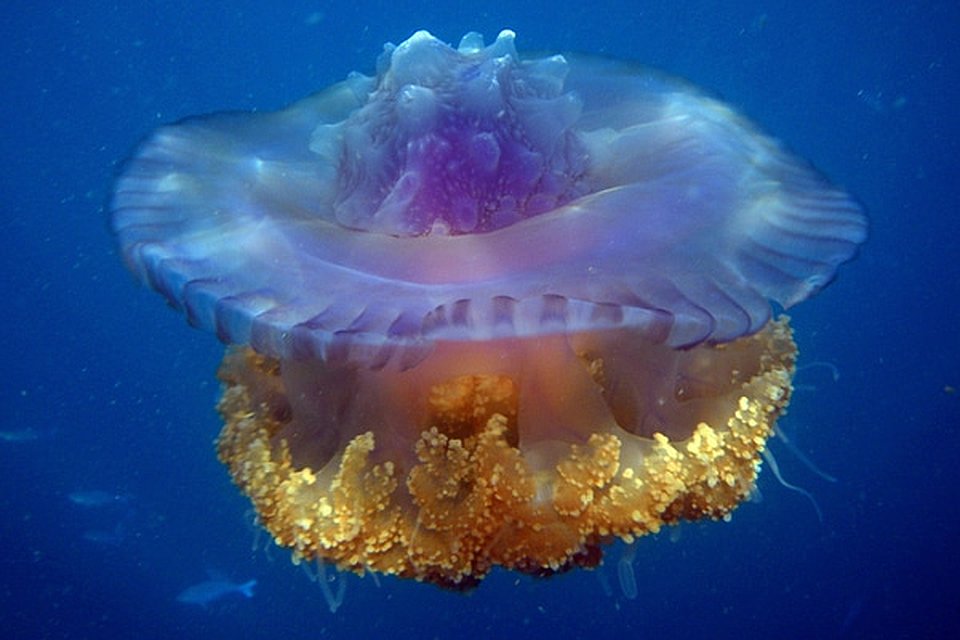
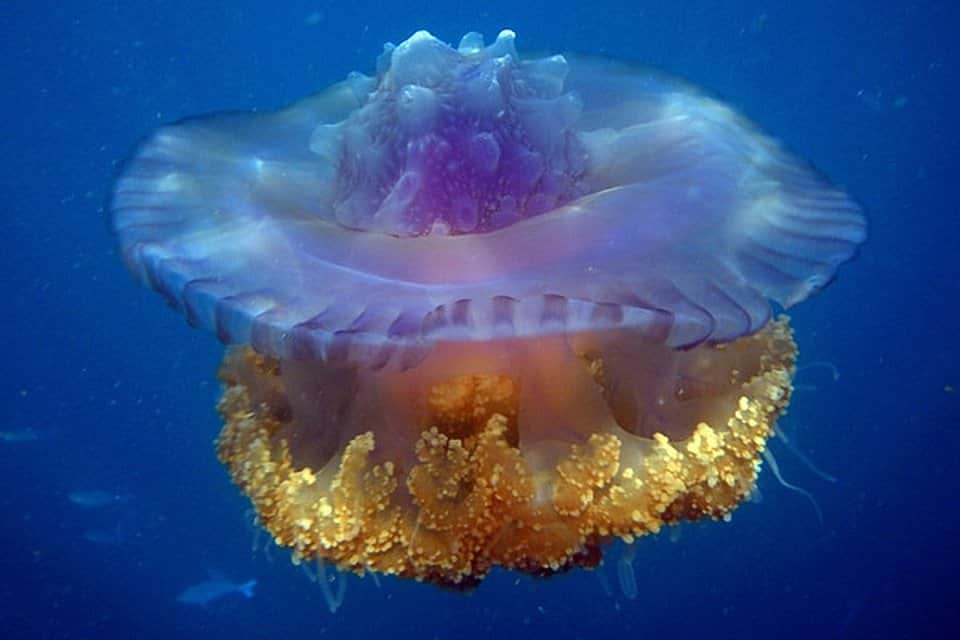
Box jellyfish (Chironex and Chiropsalmus species) ARE present in Phuket waters. The Tourism Authority of Thailand has documented sightings at Nam Bo Bay, and in October 2025 lifeguards at Patong Beach reported a significant uptick in jellyfish stings, with multiple tourists requiring hospital treatment. (Initial reports of box jellyfish were later contested by Patong lifeguards, who identified the species as the less-severe Chrysaora — still painful, still hospital-grade in some cases.) They are not common in Phuket-area Andaman waters, but they are real and stings can be medically severe.
Box jellyfish are not the bell-shaped harmless drifters most beach-goers picture — they are nearly transparent, cube-shaped, with trailing tentacles that can extend over a metre. Visibility is poor; you usually do not see one until after the sting. Encounters peak August through October as monsoon winds push pelagic species shoreward, which exactly mirrors Simba Sea Trips’ off-season pattern — our peak-risk weeks and our off-season weeks are the same weeks.
Context worth knowing: of the documented Thai box jellyfish cases analysed since 1997, 93% occurred on the Gulf of Thailand coast (53% on Koh Samui, 40% on Koh Phangan); Phuket’s Andaman side has historically been the safer coast, and Phuket has no recorded fatal box jellyfish sting. They are real, they are worth respecting, but a typical Phuket visitor’s practical risk remains low with basic precautions.
First aid is well-established: flood the affected area with vinegar (acetic acid neutralises undischarged nematocysts), do not rinse with fresh water (which triggers more stings), do not rub, do not apply ice directly. Get to a hospital — dial 1669 for Thai Emergency Medical Services or 191 for general emergency. Every Simba boat carries vinegar in the first-aid kit during the May-to-October monsoon-shoulder months; this is a baseline marine-safety requirement, not a precaution unique to us, but it is one we actively stock for the season when it matters.
Stonefish, scorpionfish, and lionfish: the reef-strike trio
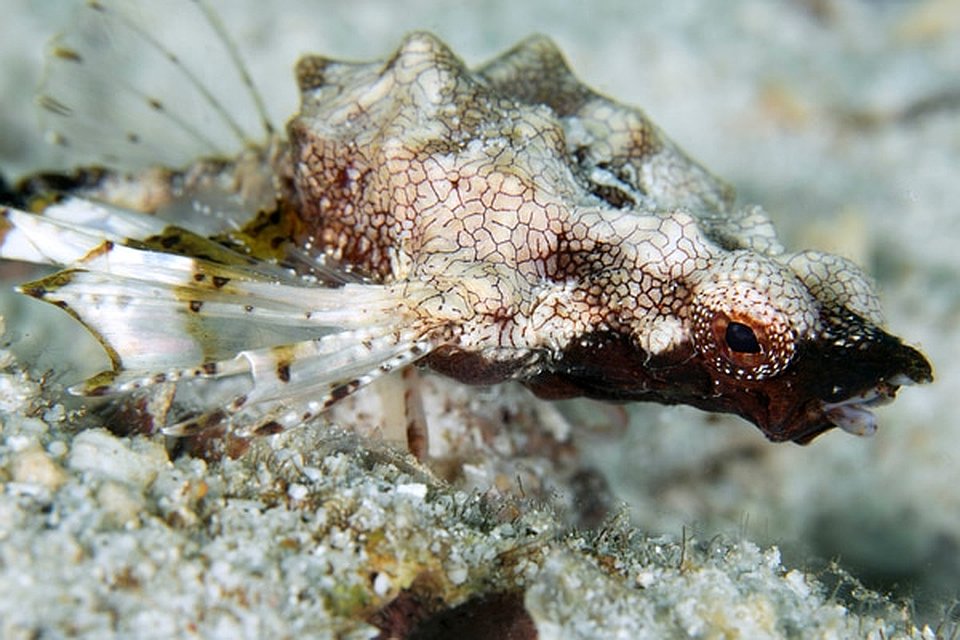
Stonefish (Synanceia) are the most venomous fish in the world and the bigger practical risk for beachgoers and snorkellers than box jellyfish. They are almost perfectly camouflaged against reef rubble and rocky shallows; the injury usually happens when someone steps on one in ankle-deep water on a rocky shore or while wading near a reef. Their thirteen dorsal spines are sharp enough to puncture rubber-soled shoes and deliver a neurotoxic venom that causes immediate severe pain, temporary paralysis and shock. Hospital treatment is required.
Scorpionfish are in the same family as stonefish — camouflaged on reefs, similar venom delivery, slightly less potent. Lionfish (Pterois) are the more-visible cousin: common on Andaman reefs, beautiful, slow-moving, defensive rather than aggressive. They will not chase you, but the typical encounter is a snorkeller who got too curious. Dorsal-spine venom causes intense pain, nausea, and (rarely) breathing difficulties. Painful, almost never fatal, very memorable.
The single best prevention is reef shoes anywhere you wade on rocky or coral shoreline, plus a “look but don’t touch” rule on reefs for snorkellers. First aid for all three is identical: immerse the affected limb in hot water at around 45 °C (as hot as the casualty can tolerate without scalding) for 30–90 minutes — heat denatures the venom protein and provides immediate pain relief. Transport to hospital. On Simba tours we do not allow walking on live reef and we choose snorkel sites with sandy entry points where possible; the risk is low when you stay in the water, float, and keep your hands to yourself.
Sea urchins and fire coral: the everyday reef nuisance
Sea urchins (mostly Diadema, the long-spined black urchin) are common on Thai reefs and the brittle spines break off in the skin if you stand on one. Pain is significant but rarely dangerous. Fire coral (Millepora) — technically a hydroid, not a coral — causes a burning rash on skin contact. Both are best avoided by simply not touching the reef — float, look, do not stand. If you do get spines, remove what you can with tweezers, treat with antiseptic, monitor for infection over the following days. Most spine fragments dissolve naturally over a week or two; a doctor only needs to be involved if infection sets in or a spine is in a joint.
Other reef hazards worth knowing about
A handful of additional species deserve a mention even though the encounter probability for a typical Phuket snorkel-tour guest is very low. Including them so you have the full picture:
- Blue-ringed octopus — present in Indo-Pacific waters including the Andaman. Encounters are extremely rare; the animal is small, reclusive, and avoids humans. Worth flagging only because the venom (tetrodotoxin) has no antivenom and can be fatal within minutes if handled or stepped on. The practical rule is the same as for everything else on the reef: do not touch what you do not recognise.
- Cone snails (Conidae) — beautifully patterned shells on reefs and sandy bottoms. Some species deliver a harpoon-like sting that can be deadly. Souvenir-collection rule for any Thai beach or reef: do not pick up shells with living occupants. The shell may look empty until you flip it over and find a soft-bodied animal still in residence.
- Moray eels (Muraenidae) — not venomous, but a serious bite risk if hands go into crevices on a reef. Common Andaman reef inhabitants, frequently photographed by divers from a safe distance, very rarely a problem unless you reach in to feel around blind holes. Don’t put hands where you cannot see.
- Sea snakes — present in Thai waters, several species more venomous than cobras on paper, but mild-tempered, short-fanged (often unable to penetrate wetsuits), and rarely aggressive toward humans. They surface periodically to breathe and sometimes approach divers out of curiosity. Give them space and they will give you space. (Portuguese man-of-war is covered in the “painful but rarely serious” section further down — different beast, different first aid protocol.)
The shared rule across this entire group: don’t touch the reef, don’t pick up shells, don’t put hands into crevices. Three habits cover almost the entire incidental-reef-encounter risk surface.
Mosquitoes: the actual highest-risk hazard
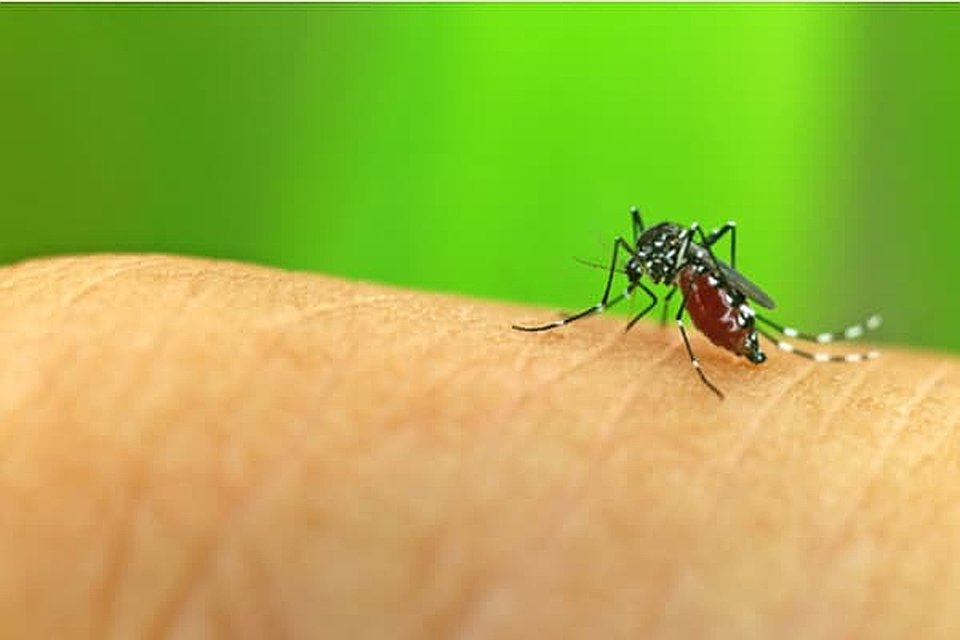
This is the one most travellers underestimate. Mosquitoes in Thailand can carry dengue fever, chikungunya and (rarely, in specific border regions) malaria. Dengue is by far the most common — Thailand records tens of thousands of cases annually, with seasonal peaks in the rainy months from July to October. There is no antiviral treatment; severe cases require hospital supportive care. The female Aedes mosquito that carries dengue bites in daytime, especially around dawn and dusk, which surprises many travellers expecting a night-only threat.
The defence is straightforward and works: a good repellent with DEET (20–30%) or picaridin, applied to exposed skin, reapplied after swimming or sweating. Long sleeves and trousers at dusk in coastal or vegetation-heavy areas help. Air-conditioned rooms with screened windows are low-risk. If you develop a sudden high fever with headache and joint pain in the days after exposure, get tested — early diagnosis matters. Of every hazard in this article, this is the one statistically most likely to affect a typical Phuket visitor, and it gets the least attention online.
Monkeys at Phi Phi’s Monkey Beach: the unexpected commercial hazard
Macaque monkeys at Monkey Beach (a stop on most Phi Phi day tours, including ours) are the most common reason a Simba guest comes back to the boat needing first aid — almost always for a small scratch or bite from someone who got too close while taking a selfie or held food too obviously. The monkeys are habituated, opportunistic, and unsentimental about your snacks. They will steal sunglasses, water bottles, dry-bags and phones, and they will bite or scratch if cornered or surprised.
The rabies risk is real enough that any monkey bite or scratch that breaks the skin should be evaluated by a medical professional in Thailand — usually a course of post-exposure rabies vaccinations. The protocol exists, the vaccinations are widely available, and travellers receive them every year. Prevention is simple: no food in hand, no eye contact, no bags within grabbing distance, do not pose for photos with monkeys. Our crew briefs every guest on this before we land at Monkey Beach. Most of our guests have a fine time, take photos at a safe distance, and walk back to the boat with all their fingers and possessions intact.
Venomous snakes: real but rare for tourists
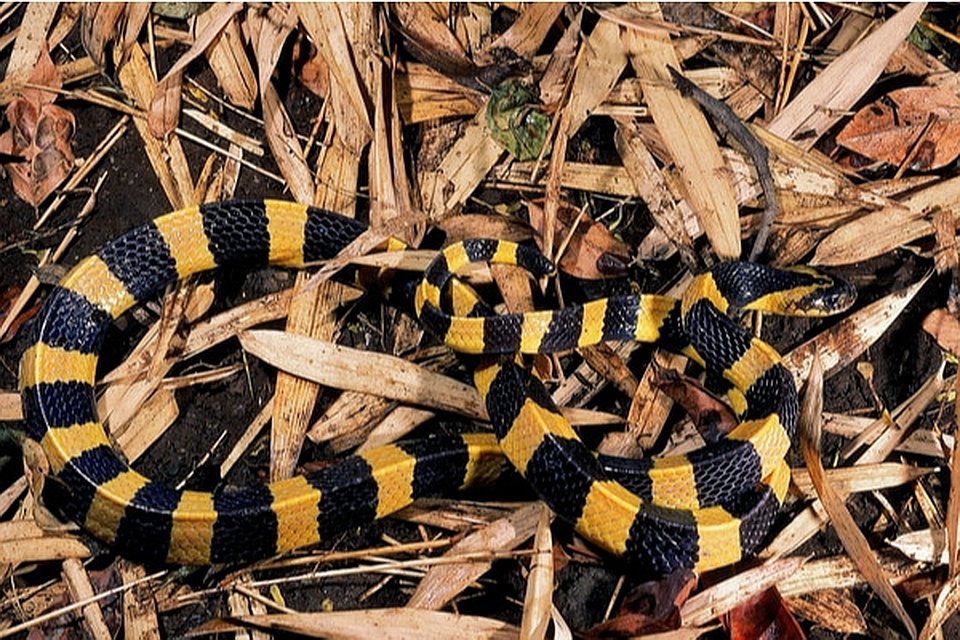
Thailand has several genuinely dangerous snake species — King Cobra, Monocled Cobra, Malayan Krait, Russell’s Viper, and various pit vipers. Bites do happen, mostly to rural workers and farmers, very rarely to tourists. The species you are most likely to encounter as a visitor in Phuket are non-venomous pythons and rat snakes around hotel grounds and gardens. Most snakes detect you long before you see them and move away.
If you are bitten by any snake in Thailand: do not apply a tourniquet, do not cut the wound, do not attempt to suck out venom, do not chase or attempt to kill the snake (a photo from a safe distance is helpful for identification but never essential). Keep the affected limb still and below heart level, get to a hospital immediately, dial 1669. Thai hospitals stock polyvalent antivenom (produced by the Queen Saovabha Memorial Institute) and treat snakebite routinely; the WHO maintains a standard snakebite-envenoming protocol that mirrors what Thai emergency rooms apply. The realistic risk for a typical Phuket tourist staying in resort areas, on boat tours, or on commercial beaches is very low — but it is not zero, so wear closed shoes if you are walking in long grass, undergrowth, or unlit garden paths at night.
Centipedes, scorpions, and Portuguese man-of-war: the painful but rarely-serious group
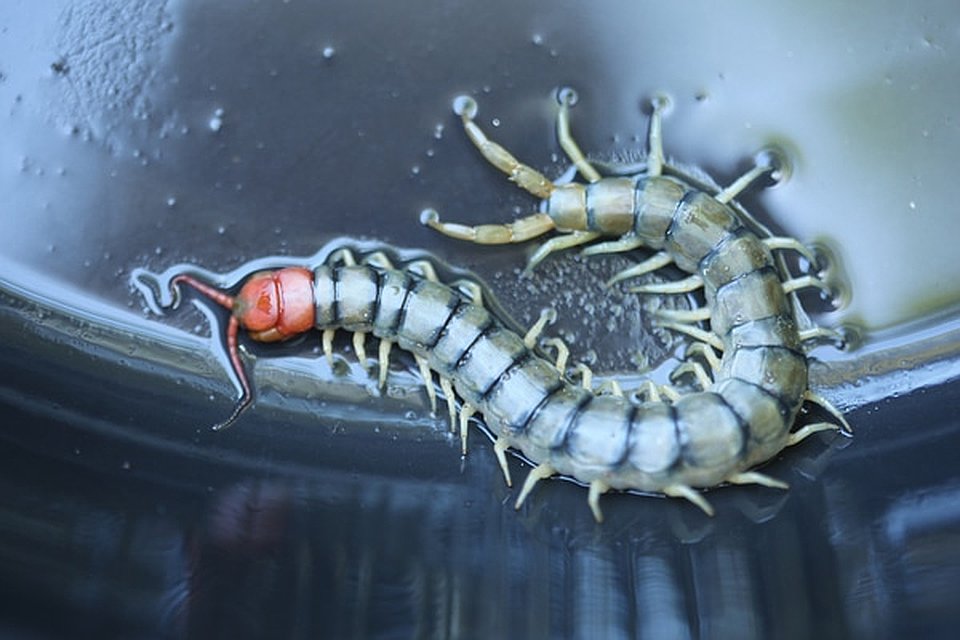
Giant centipedes (Scolopendra) deliver a painful bite that produces local swelling and pain for a day or two; rarely serious in healthy adults but extremely unpleasant. They hide under rocks, in shoes left outside, and occasionally enter homes during heavy rain. Shake out shoes and clothing if left out overnight.
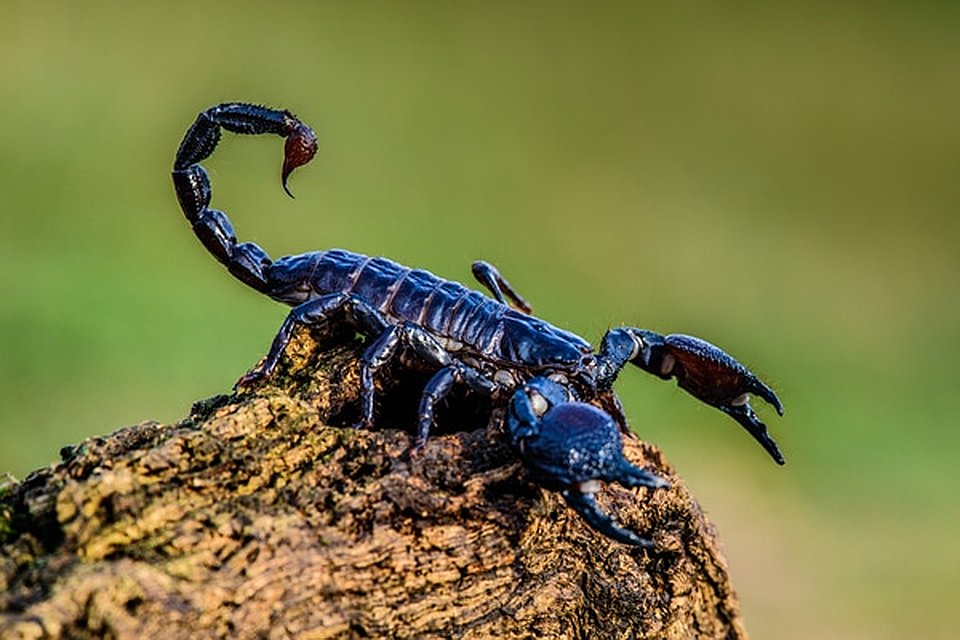
Scorpions in Thailand (mostly black scorpions, Heterometrus) have a sting comparable to a bee — locally painful, rarely medically significant for a healthy adult. Allergic reactions are uncommon but possible.
Portuguese man-of-war (Physalia) is technically not a jellyfish but a colonial siphonophore that drifts onto Thai beaches occasionally with onshore wind. The blue, balloon-like float is visible; the trailing tentacles are not. The sting is painful but rarely medically dangerous. First aid is the same as jellyfish: do not rinse with fresh water, remove visible tentacles carefully, apply hot water (not vinegar for man-of-war specifically — current marine first-aid guidance distinguishes between the two), seek medical advice for large stings.
Sharks and saltwater crocodiles: the media myths
There has not been a confirmed fatal shark attack on a tourist in Thai waters in recent memory. Thai reef sharks (blacktip, whitetip, occasional bull) are reef-resident, generally non-aggressive toward swimmers, and are far more often seen on dive expeditions than from a snorkel stop. The probability of meaningful shark interaction on a tourist boat tour is statistically negligible. Saltwater crocodiles are not native to Phuket-area beaches. If you read otherwise online, the writer has confused Thailand with northern Australia.
How to actually stay safe on a Phuket trip
For most visitors, three habits cover almost the entire practical risk surface: (1) DEET repellent applied properly, especially around dusk and after swimming; (2) reef shoes anywhere you wade on rocky shoreline; (3) no feeding, posing-with, or eye contact with monkeys at any temple or tourist site. Add a small bottle of vinegar in the beach bag if you plan extended snorkelling between May and October, and a basic first-aid kit with antiseptic and tweezers for the inevitable minor reef scrapes.
If you are joining a guided boat tour, the operator’s safety briefing is the single most important thing — and unfortunately the most variable across operators. A proper briefing covers the specific hazards at each stop (which sites have stonefish reports, what to do at Monkey Beach, current jellyfish conditions), the boat’s first-aid stock, and what happens if something goes wrong. We brief every Simba guest at the start of every join-in or private charter day, because a one-minute conversation prevents almost everything in this article from ever needing to be acted on.
For Thailand-specific medical emergencies: dial 1669 for emergency medical services, or 191 for police. Phuket has two main international-standard private hospitals (Bangkok Hospital Phuket and Phuket International Hospital), both English-speaking, both accepting travel insurance, both with experience treating marine envenomations and animal bites.
This article is general information for trip planning. For medical advice contact a qualified practitioner. In a Thailand emergency, dial 1669 (Thai Emergency Medical Services).
Our join-in tours and private charters depart daily from Boat Lagoon Marina — trusted by 5,900+ verified reviewers across TripAdvisor, Google & GetYourGuide.