

What you actually need to know — quick answer
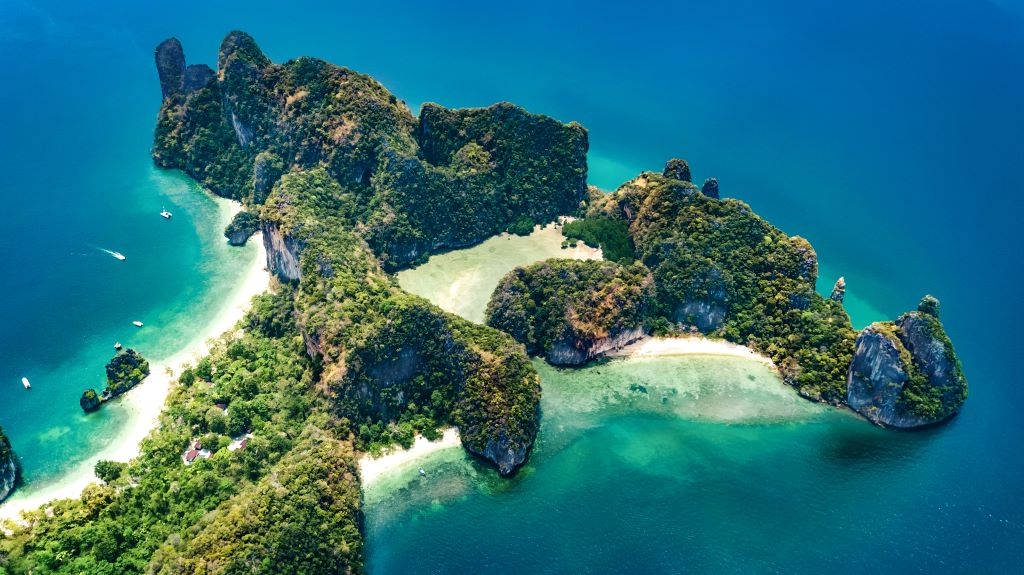
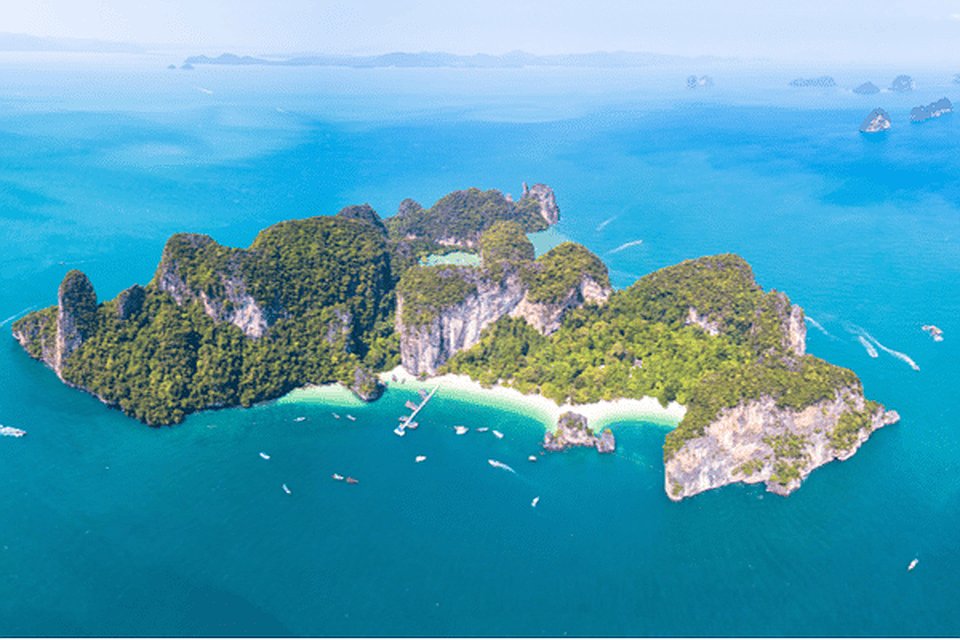
Ko Hong Island (the Krabi one — there’s another Ko Hong in Phang Nga Bay; they’re not the same island) is the highlight of the Krabi Islands archipelago. The island has two sides: an outer crescent at Pilae Beach for sunbathing and snorkelling, and an enclosed inner basin — the Hong Lagoon — reached through a narrow gap in the limestone cliffs that’s only passable to small boats. The best way to reach Ko Hong from Phuket is by sea, not road: it’s roughly 50 km direct from Boat Lagoon Marina by speedboat, against roughly 180 km via Highway 4 and the Sarasin Bridge. The road route eats a 3-hour transfer each way; the sea route puts you in the lagoon by mid-morning, eats nothing, and avoids the day-tripper fleet from Ao Nang.
| Fact | Value |
|---|---|
| Where | Ko Hong (Koh Hong), Krabi province, Andaman Sea — off the coast of Ao Nang |
| Distance from Phuket by sea | ~50 km direct from Boat Lagoon Marina by speedboat |
| Distance from Phuket by road | ~180 km via Sarasin Bridge + Highway 4 (~3 hours each way) |
| Best time to visit | Nov-April (dry season); first light to mid-morning for the lagoon |
| Hong Lagoon access | Through a narrow rock gap, navigable mid-to-high tide only |
| Highlights | Hong Lagoon, Pilae Beach, kayaking the inner basin, snorkelling |
| National park | Mu Ko Hong / Than Bok Khorani National Park (entry fee applies) |
| Stay overnight? | No — day-visit only, no accommodation on the island |
If you want to do the trip by speedboat and skip the road slog, our Krabi Private Charter from Boat Lagoon Marina is the bookable product (from ฿41,690 all-inclusive). The rest of this article is the operator’s-eye guide to Ko Hong specifically — what to see, when to time the lagoon entrance, where the snorkel reefs are, and what the day actually looks like.
Why I wrote this page
I’m Captain Paul Chappell, owner-operator of Simba Sea Trips. Simba Sea Trips was founded in 2005 — twenty years this year — and holds Tourism Authority of Thailand licence 34/02111. We run small-group join-in tours and private speedboat charters out of Soho Pool Club at Boat Lagoon Marina on Phuket’s east coast, and Krabi has been one of our regular charter routes for years. I’m a former international airline captain — Lead Captain on a Boeing Business Jet, former Chief Pilot, qualified Flight Instructor — with 23+ years of professional aviation safety training, and a commercial marine operator in Andaman waters since 2014. The full captain’s bio sits here.
This article is the answer I give to guests on the boat when we’re heading toward Krabi and they ask “what’s actually here, and why are we crossing 50 kilometres of open water to get to it rather than driving?” The legacy version of this page was generic travel-writer prose. The version below is what twenty years of running this route looks like written down — Hong Lagoon tide gates, snorkel reef quality, when to arrive, what to bring, and how the Ko Hong stop fits into the wider Krabi day-by-sea.
Getting to Ko Hong from Phuket — sea, not road
There are four practical ways to reach Ko Hong from Phuket. Three of them involve road transfers. One doesn’t. The road options all go via the Sarasin Bridge at Phuket’s north end, then Highway 4 south-east through Phang Nga town and onward to Ao Nang in Krabi — roughly 180 km of provincial highway each way, with the inevitable traffic through Phang Nga town and the resort sprawl approaching Ao Nang. Allow 3 hours each way for transfer and add the boat transfer from Ao Nang Beach to Ko Hong on top of that (20 minutes by speedboat, 45 by longtail). It’s a 12-hour day if you do it properly and the bulk of it is spent in a minibus.
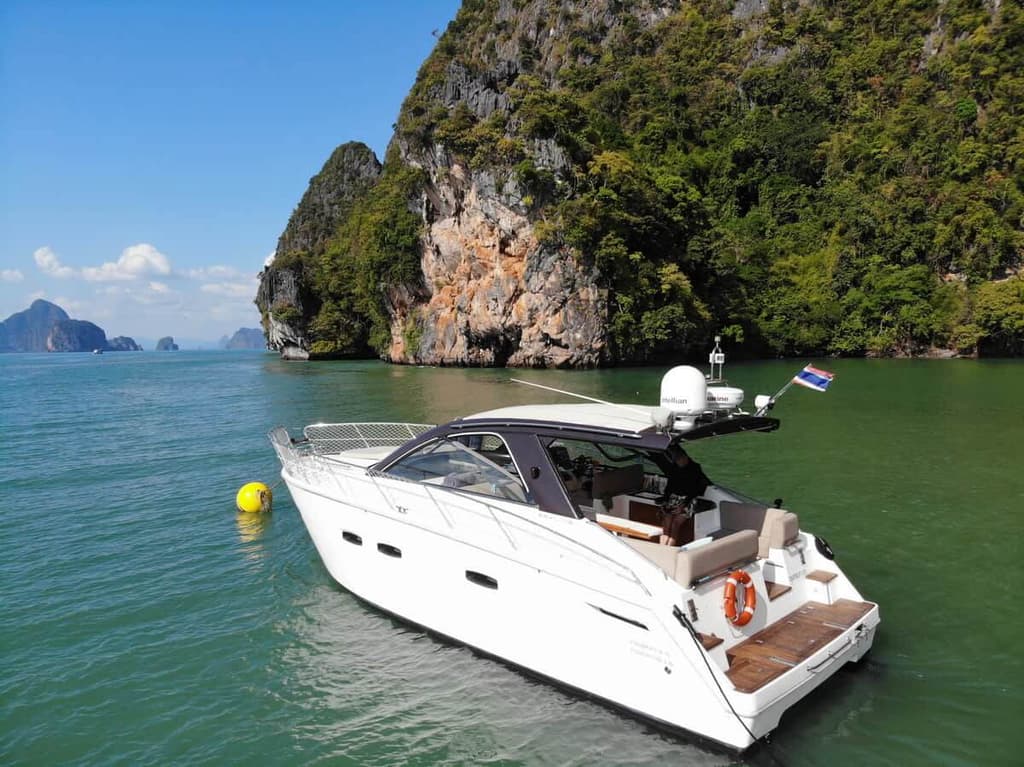
The fourth option is to go direct from Phuket by sea. From Boat Lagoon Marina to Ko Hong is roughly 50 km on a north-east bearing across open Andaman water — about an hour by speedboat in normal sea conditions. You’re in the Hong Lagoon by mid-morning rather than mid-afternoon, you avoid Highway 4 entirely, and you’re back at the marina the same evening with a coastal-island day under your belt rather than half a day on the road. This is what our Krabi Private Charter is built around. The full eight-hour charter route typically combines Ko Hong with Pak Bia, Lao Lading, Railay Beach, Phranang Cave, and Chicken Island (Koh Poda) — five to seven stops over the day, all sea-side, with the road approach traffic completely off the table.
The trade-off is honest: sea-conditions sensitivity is real. A speedboat doesn’t run a 50-km open crossing in marginal weather, so a sea-based Krabi day is weather-dependent in a way the road option isn’t. In the dry season (November through April) sea state on the east-coast outbound run is generally calm enough that this is a non-issue; in the southwest monsoon (May through October) we read the day’s forecast carefully and we’ll re-route or postpone if conditions don’t suit. Free re-bookings and cancellations on weather-cancelled days are part of how we run the business.
The Hong Lagoon — when to enter, why the tide matters
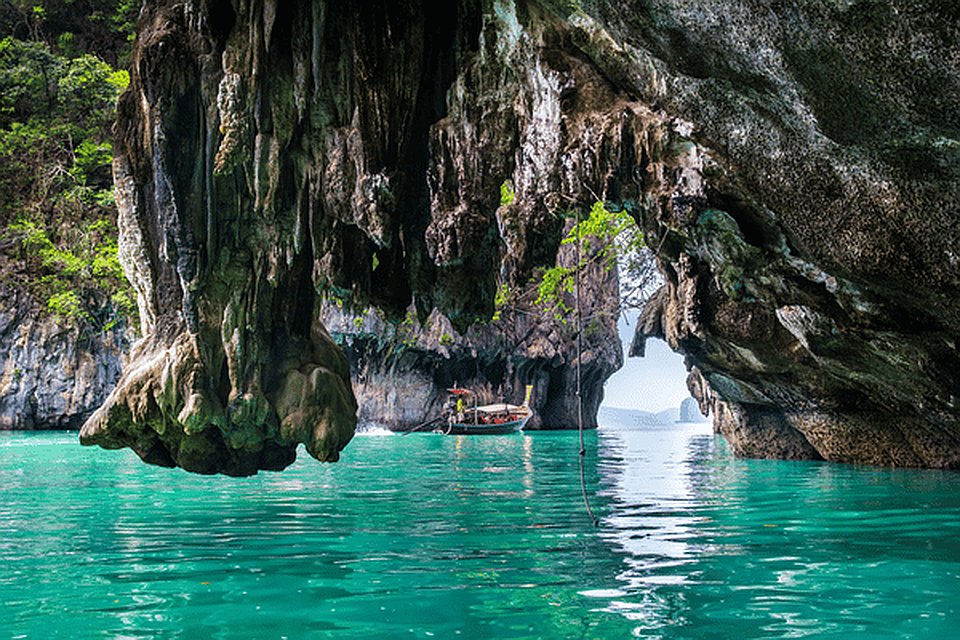
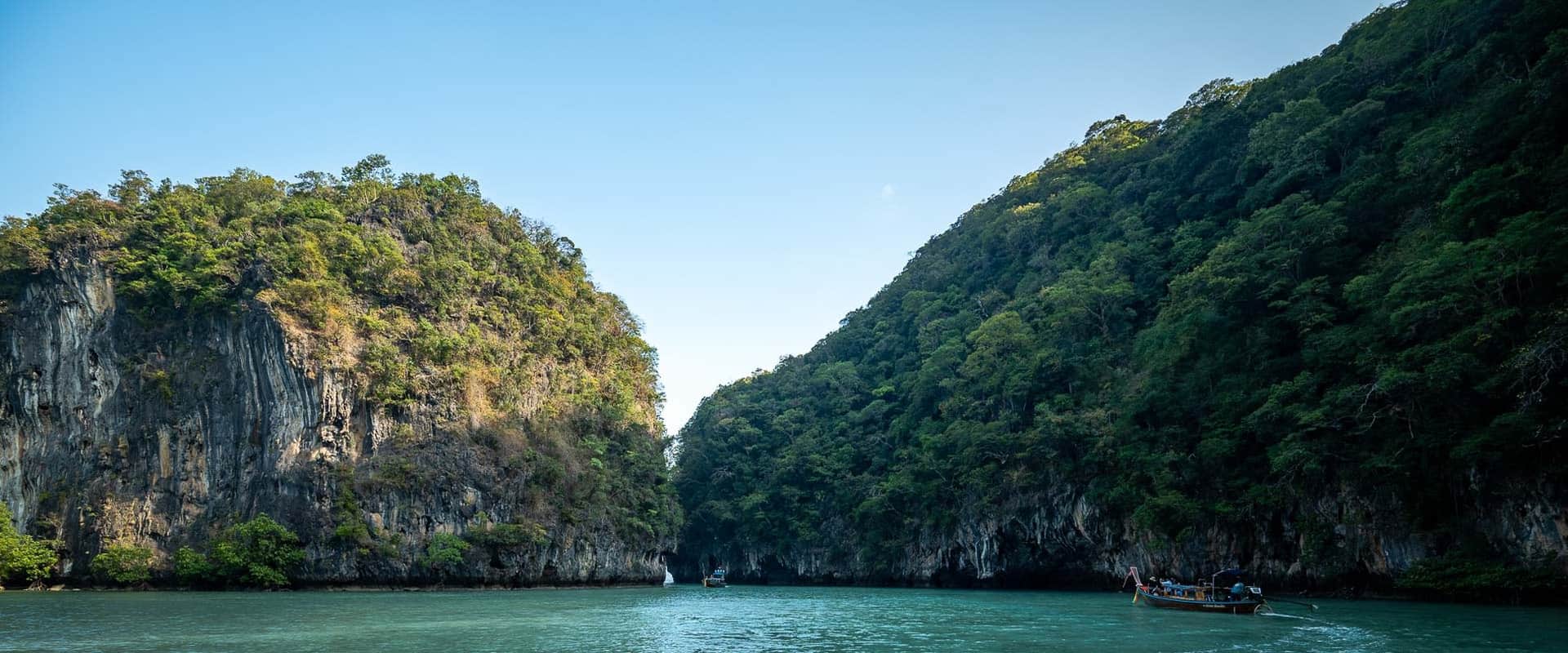
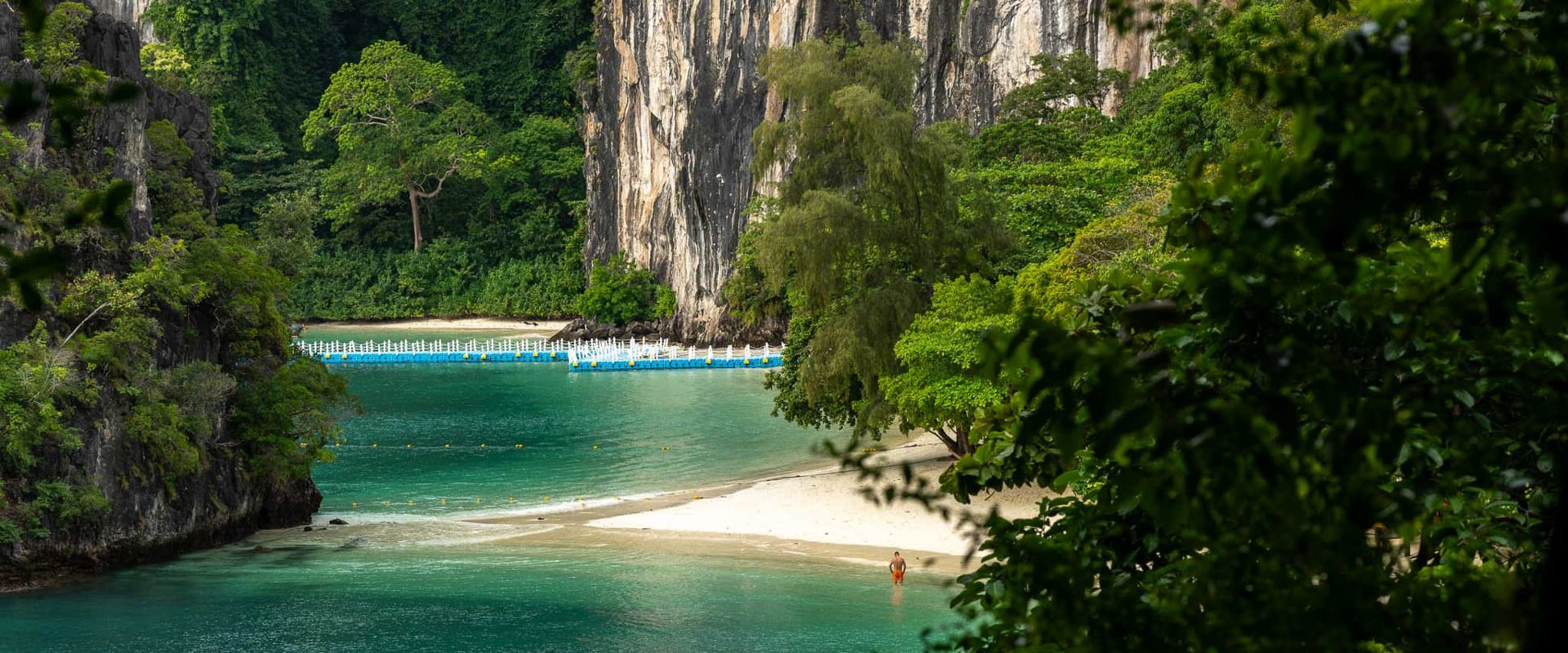
The Hong Lagoon is the reason Ko Hong is on the map at all. The island is essentially a hollowed-out limestone karst: an outer crescent that drops cliffs straight down to a sandy seabed, and an inner basin — almost perfectly circular, walled on every side by cliff — that’s connected to the outside Andaman only through a single narrow rock fissure on the eastern side. The gap is wide enough for a speedboat or a longtail at mid-to-high tide and shallows out at low tide. When you’ve gone through the fissure you’re in a sheltered, mirror-flat, emerald-water basin that you cannot see into from the outside.
Tide gate timing matters. Andaman tides are semi-diurnal with a typical swing of around 2 to 2.5 metres between mean low and mean high water. A sensible plan is to enter the lagoon within about two hours of high tide and to be out again before the falling tide reduces clearance through the rock gap to nothing. Captains who run this route weekly time it instinctively against the day’s tide table; on a guided charter you don’t think about it. If you’re booking on your own and renting a longtail from Ao Nang ticket booths, ask the operator explicitly what time they intend to enter the lagoon and what the tide is doing — the most common amateur-charter mistake is arriving at the gap on a low tide and either having to wade or having to wait outside.
The right time to arrive at Ko Hong as a whole is first light. Day-tour boats from Ao Nang typically launch around 9 am; the Phuket aggregator road-tour fleet doesn’t arrive until midday after the long road transfer. A private charter leaving Boat Lagoon Marina at around 7 am puts you inside the Hong Lagoon at roughly 8:15 to 8:30 am — sometimes the only boat in the basin for the first 20 to 30 minutes. The water is mirror-flat, the limestone walls reflect onto it, and the photographs look like they’re from a separate continent.
Pilae Beach — the outer crescent
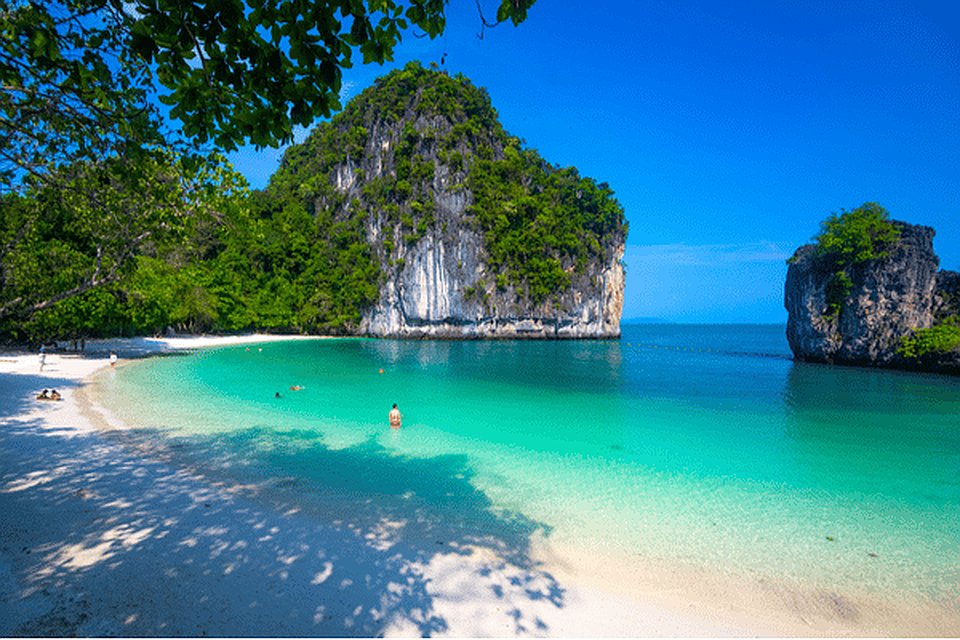
The outer side of the island is the more conventional beach experience. Pilae Beach is a curved white-sand strand on the north-east face, sheltered by a smaller bay and overlooked by the same limestone cliffs that form the lagoon wall on the opposite side. Soft sand, calm shallows, and a couple of small shore-side kiosks selling drinks and basic snacks at tourist prices. Bring small-denomination THB notes if you want a cold beer or a coconut — these shops are inevitably 2 to 3 times mainland prices.
The snorkelling around Pilae is moderate by Andaman standards. Healthy hard-coral patches with parrotfish, sergeant majors, butterflyfish, the occasional small reef shark at depth. It’s not Maya Bay-level reef quality, but visibility on a calm-sea morning runs a consistent 8 to 15 metres and the snorkel area is shallow enough for novice snorkellers to be comfortable. Reef shoes are recommended on the shore-side rocks — sea urchins are common just below the waterline. Reef-safe sunscreen is enforced by the national park rules, which apply to the whole archipelago.
The “Krabi 4 Islands” road-tour day trips that arrive from Ao Nang spend roughly an hour at Pilae before pushing on to Chicken Island and Tup Island. A private charter can sit at Pilae for as long as you want, which after a busy morning at the lagoon is normally one to two hours.
Kayaking the inner basin
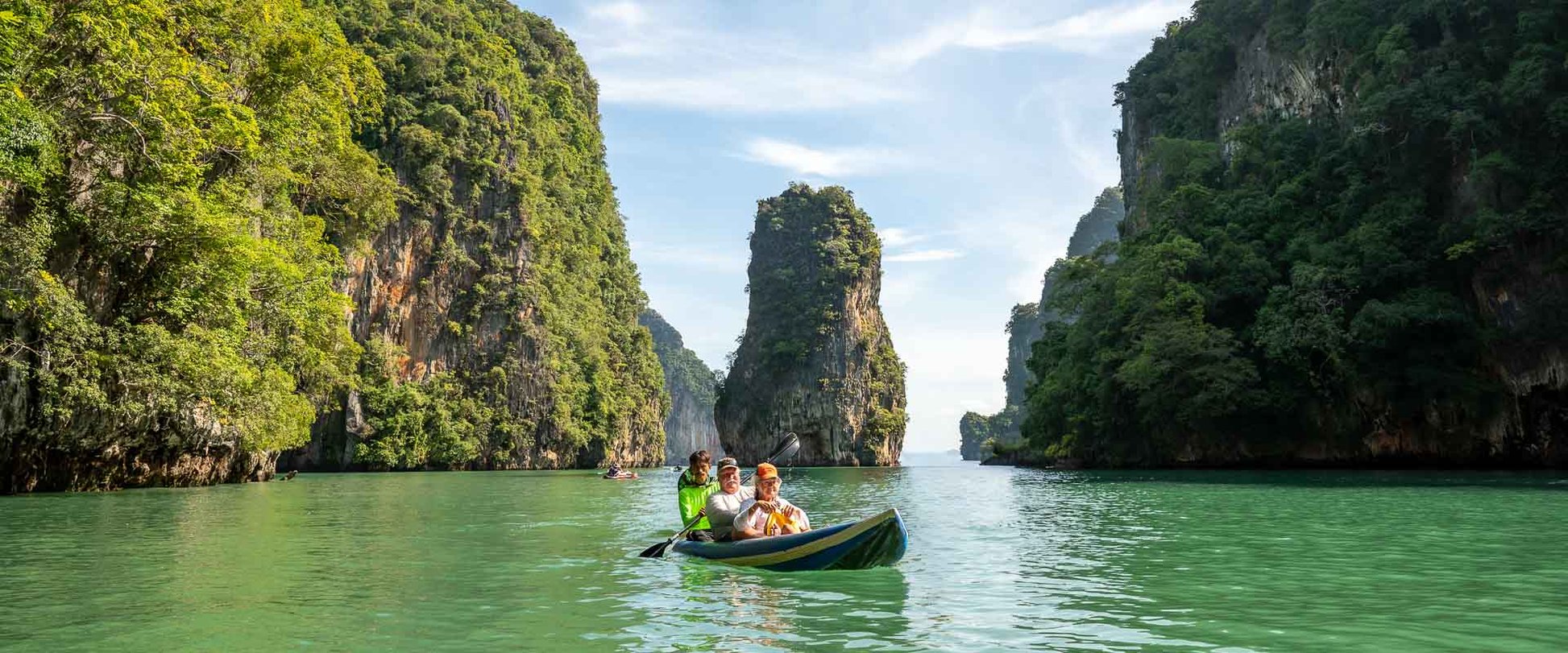
If a kayak is available on board the day’s charter, the Hong Lagoon basin is the moment to put it in the water. The basin is fully enclosed and sheltered — the only swell is what comes through the rock gap on the rising tide, which is minimal. Novice kayakers manage it without difficulty. The cliffs reflecting onto the calm water create a photographic environment that doesn’t exist anywhere else in the immediate Andaman — Phi Phi’s Pileh Lagoon is similar in concept but smaller and more boat-busy; Hong’s basin is bigger, quieter, and feels genuinely sealed off from the outside.
Thirty to forty-five minutes of paddling inside the lagoon before the day-tripper fleet arrives is the photographic centrepiece of any Ko Hong day. If your charter doesn’t carry kayaks, the alternative is just to swim — the water is the same, and the cliffs above don’t care which method got you in.
Where Ko Hong sits in the wider Krabi day
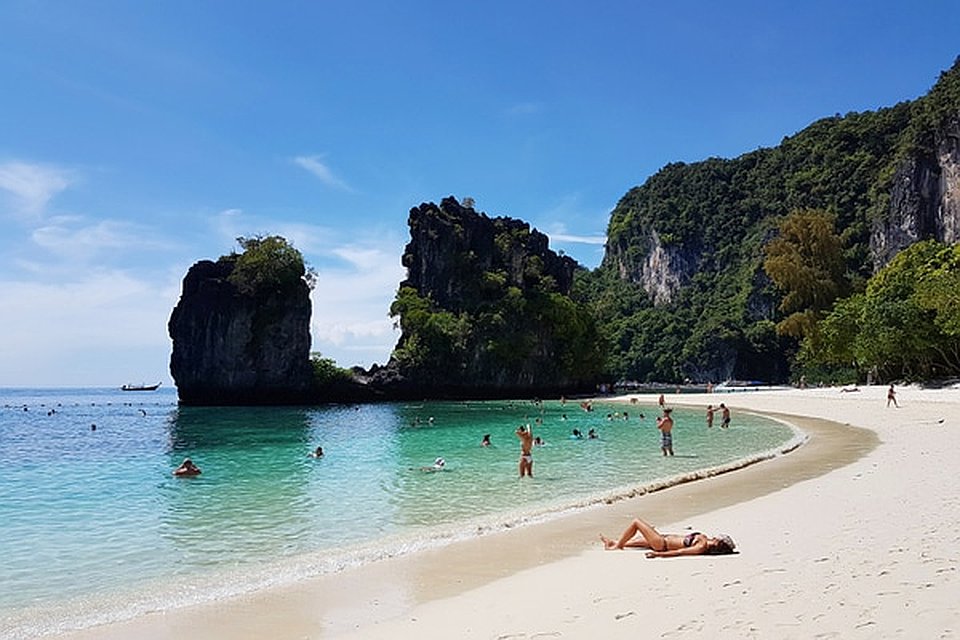
Ko Hong on its own is a half-day stop, not a full day. The reason a Krabi private charter from Phuket is a full eight hours is that the same speedboat day pairs Ko Hong with the rest of the Krabi Islands archipelago in a way that no single-island day trip can match. A typical charter day combines:
- Ko Hong — outer beach + inner Hong Lagoon (1.5 to 2 hours total)
- Pak Bia — a sandbank island just south of Ko Hong, exposed only at low tide
- Lao Lading — a smaller karst island with a hidden inner cove, often empty
- Railay Beach — the famous mainland-but-only-reachable-by-boat climbers’ beach
- Phranang Cave — the limestone cave at the southern end of Railay
- Chicken Island (Koh Poda) — named for the chicken-head-shaped rock at its southern tip; sandbar at low tide connects it to two neighbouring islands
- Hidden hongs — additional small enclosed bays the captain selects based on day’s tide and sea conditions
That’s the bookable Krabi Private Charter catalogue from Bokun. Eight hours, hotel pickup from anywhere on Phuket’s main tourist coast, all-inclusive at ฿41,690 from (verified live 2026-05-19), national park fees included, 2 to 20 passengers (the boat used for Krabi can carry up to 20). The route is captain-led on the day to match sea conditions, but Ko Hong + the Hong Lagoon is the spine of every variation.
If you want to compare against the alternative direction, our Phi Phi Sunrise Tour is the south-east-bound Phuket-day-by-sea — Phi Phi Leh’s Maya Bay and Pileh Lagoon before the day-trippers arrive. Different archipelago, same operator, same departure point.
What to bring
A short kit list for any Ko Hong day, by sea or otherwise:
- Reef-safe sunscreen — Krabi national parks enforce this; conventional oxybenzone-based sunscreens are banned
- Reef shoes for the shore-side rocks at Pilae (sea urchins are present)
- Dry-bag for phone, wallet, and any valuables — the boat-to-shore wade at Pilae is short but ankle-to-knee depth depending on tide
- Wide-brimmed hat — shore-side shade at Pilae is limited and the sun-on-cliff reflection is strong
- Small-denomination THB notes — 100 to 500 baht — for kiosk drinks if you don’t want to over-pay
- Swimwear under your transit clothes — wear it from the marina; no formal changing facilities once you’re on the water
- A waterproof phone case if you want to take photos in the lagoon
National park entry fees and snorkel gear are included on a Simba charter — you don’t need to bring your own mask and fins. If you’re going on a longtail rented from Ao Nang ticket booths, gear isn’t always provided; check at booking.
Citations and further reading
The factual claims in this article are anchored to:
- Than Bok Khorani National Park — park guide: https://www.thainationalparks.com/than-bok-khorani-national-park — park overview, access, and entry information.
- Department of National Parks — Mu Ko Hong / Than Bok Khorani National Park: https://portal.dnp.go.th/Content/nationalpark — official national park information including fees and rules. Reef-safe sunscreen requirements and the entry-fee structure are set by DNP.
- Wikipedia — Krabi Province: https://en.wikipedia.org/wiki/Krabi_province — provincial geography and geology context; Krabi’s Ko Hong is distinct from the Ko Hong in Phang Nga Bay.
- WorldTides global tide data — Krabi station: https://www.worldtides.info/ — Andaman semi-diurnal tide swing reference (~2 to 2.5 m between MLW and MHW at Krabi-region stations).
Our Krabi destination guide covers the wider archipelago and how Ko Hong fits alongside Railay, Chicken Island, Pak Bia, and Lao Lading on a full charter day.
Browse our tour calendar — trusted by 5,901+ verified reviewers across TripAdvisor, Google & GetYourGuide.