

Yes — Phuket in low season is broadly safe, including for families and solo travellers. But that answer is only useful if you know where the real risk actually sits, because it isn’t where the headlines put it. It isn’t boat tours, and it isn’t the island generally. It’s the sea itself, entered on foot, from unguarded beaches, under red flags.
Here’s a statement most tour operators won’t make: we cancel trips. Every green season, there are mornings we look at the forecast, the swell and the radar and refund the day rather than run it — trips other boats went out on. That decision process, built over twenty years of operating here (and shaped by an aviation background, where you never launch into weather you wouldn’t fly home through), is the honest basis for everything below: what’s dangerous in Phuket’s low season, what isn’t, and how to tell the difference before you book anything.
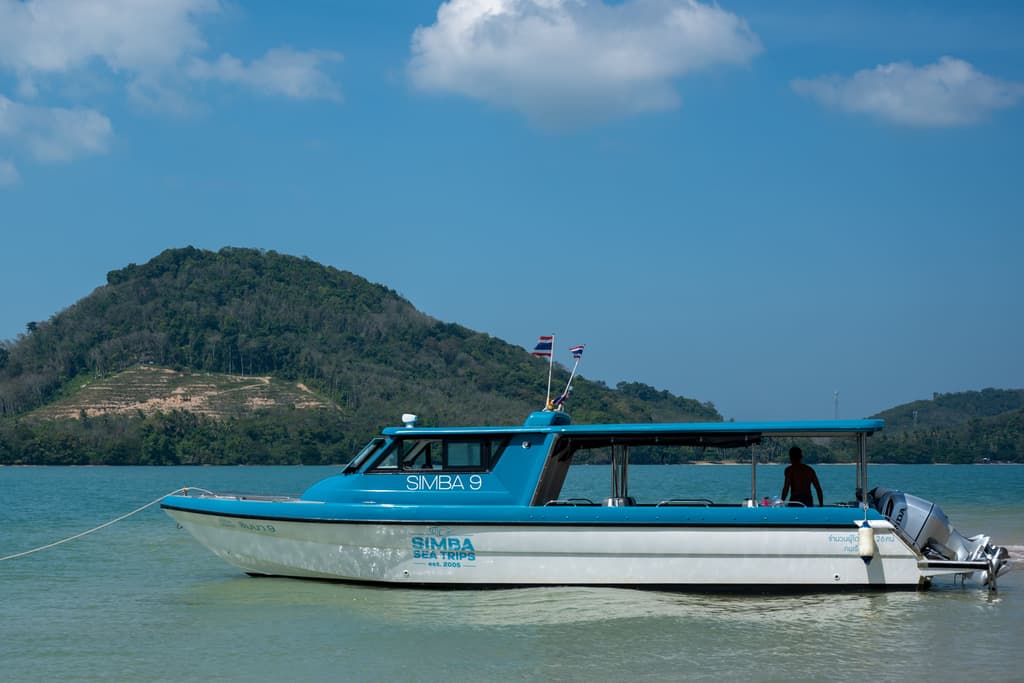
The short version for boat trips: between May and October we favour the sheltered water — Phang Nga Bay and James Bond Island (฿4,500 per person, all-inclusive) sits in a protected bay that’s workable on most green-season days, and the early-start Phi Phi Sunrise Tour (from ฿5,310) crosses in the calmest window of the day. Displayed prices are final, and if weather cancels a trip, your deposit comes back in full.
What follows is the specific picture — this month’s incidents included — so you can make your own call.
What’s actually happening on Phuket’s beaches
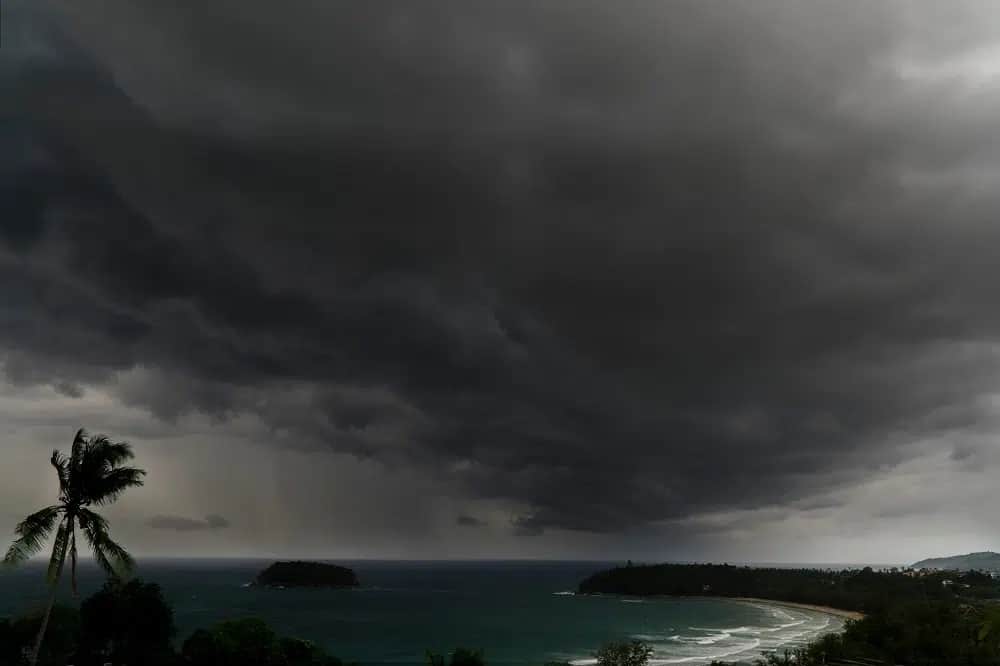
In August 2026 alone: six tourists were swept off Nai Thon Beach by 2-metre surf and rip currents — all six rescued by lifeguards — while red flags were flying; days earlier a German tourist drowned at Freedom Beach in similar conditions. Thailand’s disaster-prevention department had warned six Andaman provinces of waves of 2–3 metres and more during storms.
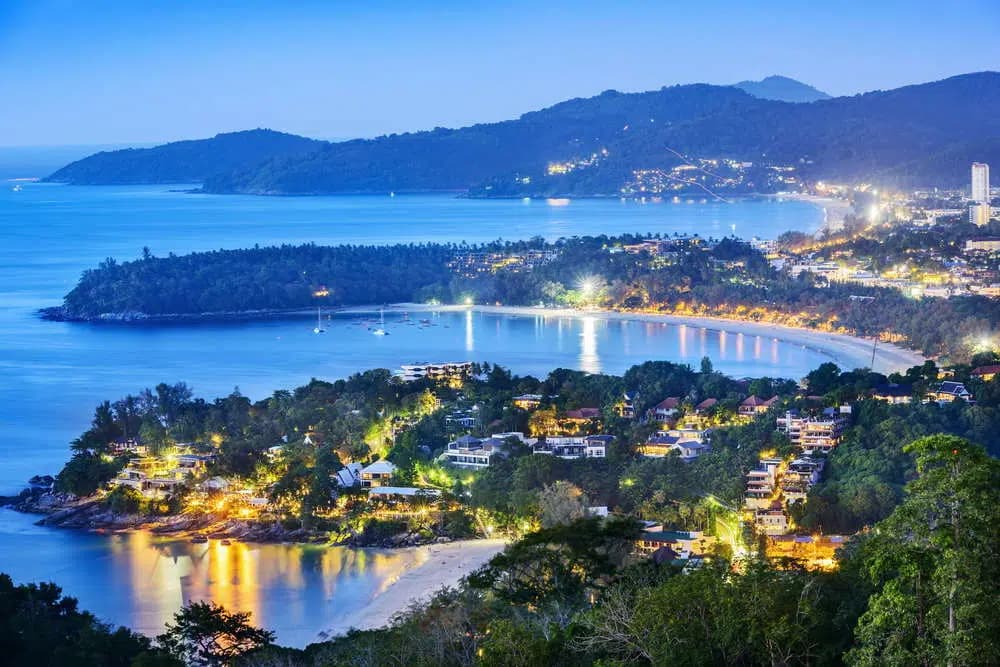
Every one of those incidents shares the same shape: swimmers entering open surf from a west-facing beach, under a red flag. A red flag on a Phuket beach does not mean “swim carefully.” It means do not enter the water. The southwest monsoon (roughly May–October) drives that surf and those rip currents on the west coast; lifeguards fly the flags for exactly these weeks. Respect the flags and the beach risk largely disappears — there are also east-facing and sheltered beaches where conditions stay gentler.
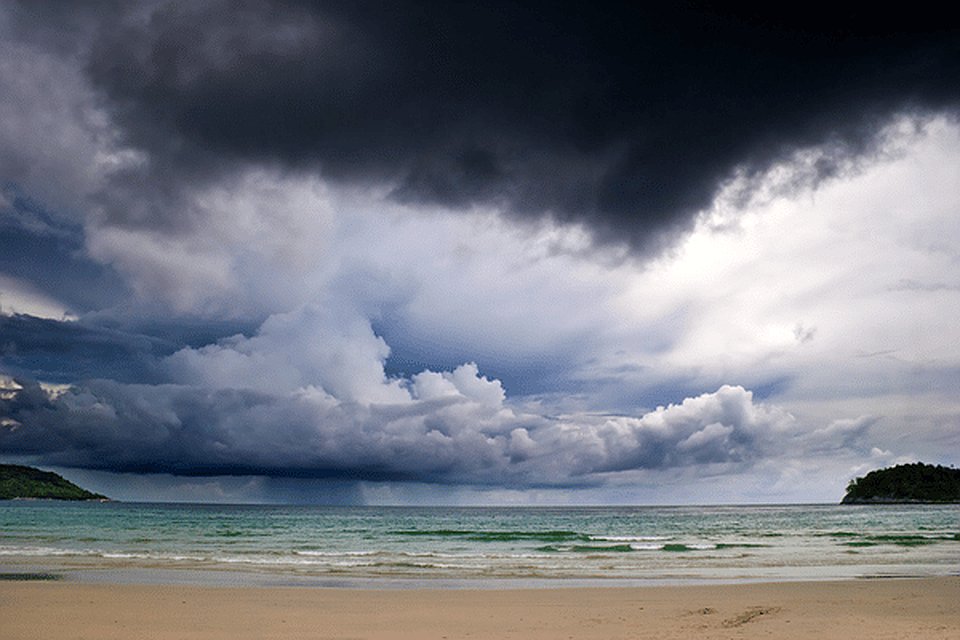
A red-flag beach and a crewed boat are different risks
It’s natural to see those headlines and assume a boat trip is the bigger gamble. The physics runs the other way. A swimmer in beach surf is alone in the impact zone with no information: no forecast, no exit, no one watching. A properly run day boat is the opposite: the decision to go is made by professionals before anyone boards, the route is chosen for the day’s conditions, the swim stops are in sheltered water the crew picked that morning, and there are trained eyes on every guest in the water.
That doesn’t make boats risk-free — it makes the operator the variable. The green-season question isn’t “is it safe to take a boat tour?” but “how does this operator decide?”
How we decide whether a boat sails
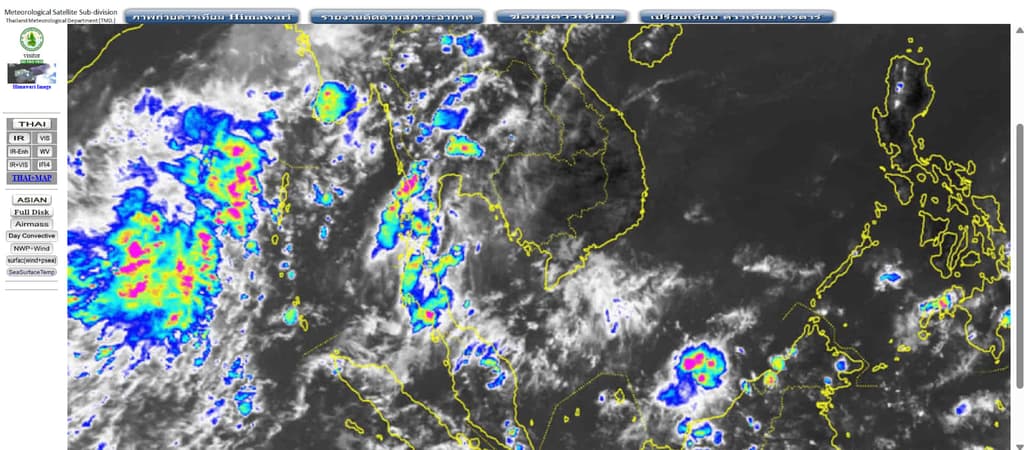
Our go/no-go call is made early, every morning, by the operations team — owner-led, applying the same conservatism aviation drills into you, executed on the water by our local Thai captains, who have read this coast their whole lives. In practice that means checking the marine forecast and swell height against the specific route (an exposed crossing to Phi Phi is judged differently from a day inside Phang Nga Bay), watching the radar for storm cells, and deciding per trip: sail as planned, switch to a sheltered route, or cancel.
When we cancel for weather, you get your full deposit back — no argument, no voucher push. We’d rather refund a day than sell you a rough one, partly because rough days aren’t just uncomfortable: white-knuckle crossings are how corners get cut industry-wide. If an operator never seems to cancel anything in the monsoon months, that is information.
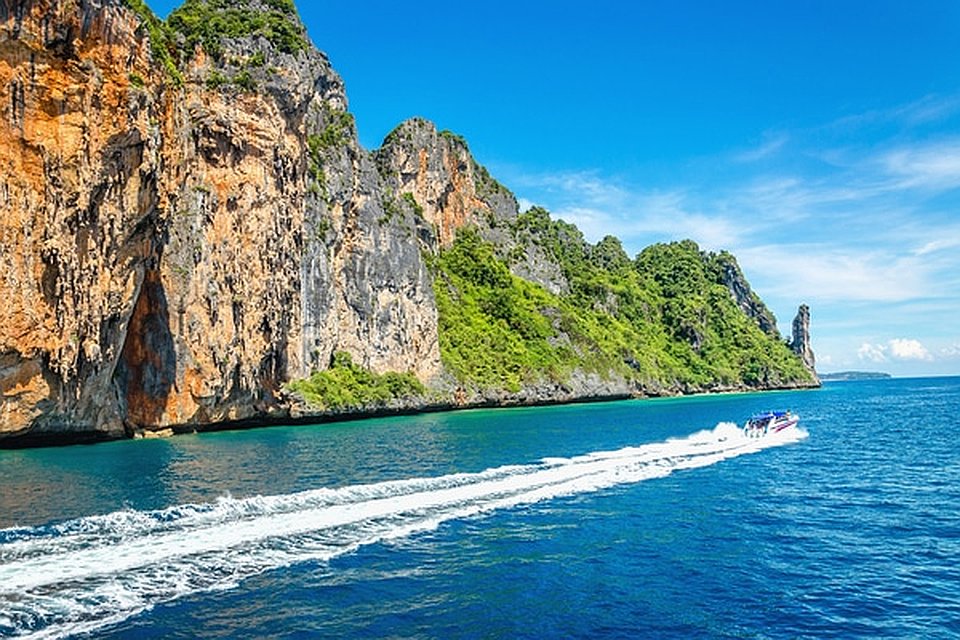
Making a green-season boat day work
The pattern that works from May to October: go early, go sheltered, keep groups small. Mornings are consistently calmer than afternoons on this coast, which is why our Phi Phi day leaves Boat Lagoon Marina at 6am and makes the ~1 hour 10 minute crossing in first light. Phang Nga Bay is the monsoon’s gift — a limestone bay protected from the southwest swell, kayaking caves and James Bond Island in workable water on most days when the west coast is flying red flags. And a boat capped at 18 adults can tuck into calm corners and adjust plans in ways a 100-seat ferry simply can’t.
The Phang Nga Bay & James Bond Island tour is the green-season default for exactly these reasons; the Phi Phi Sunrise Tour runs when conditions support the crossing, with the itinerary flexed to the day.
The other safety questions, honestly
Beyond the sea, Phuket’s risk profile in low season is the same as high season, mostly modest, and mostly managed with ordinary care. The genuine number-one danger for visitors is the roads — especially rented scooters ridden without licences or helmets; a car with a driver, or transfers included with your tour, removes most of it. Petty scams (dual pricing, jet-ski damage claims, unmetered taxis) cost money, not safety. Street crime against tourists is comparatively rare. As for wildlife, the fear is wildly out of proportion to the reality — we wrote a whole guide on that: see Dangerous Animals in Thailand. And rain itself is the mildest “danger” of all: green-season showers are heavy but usually short, the island stays green and uncrowded, and there’s plenty to do when it pours.
Questions about a specific date or sea state? Ask us directly at sales@simbaseatrips.com — we’ll tell you honestly what we’d do, including “wait a day.”